
Uber and Lyft have transformed how South Florida moves. But when accidents happen, their insurance structures create a maze that most attorneys—and most victims—don't understand.
Here's the problem: rideshare companies use a layered insurance system that changes based on what the driver was doing at the exact moment of the crash. Was the app on? Were they waiting for a ride request? Driving to pick up a passenger? Mid-trip?
The answer determines which insurance policy applies, what limits are available, and how many corporate lawyers will fight against your claim.
Danielle Kushel has handled rideshare accidents throughout South Florida. She knows how to investigate what the driver was doing, identify every applicable insurance policy, and fight through the coverage disputes that rideshare companies use to limit their exposure.
.png)

Insurance companies for Uber, Lyft, and the driver's personal policy all have one goal: deny coverage or push responsibility to someone else. Figuring out which policy applies—and forcing the right insurer to pay—requires an attorney who understands how these cases actually work.


If you were riding in an Uber or Lyft when an accident occurred, you may have claims against the rideshare driver, the other driver (if applicable), and the rideshare company's insurance. Passengers often have the strongest claims and the clearest path to the $1 million coverage.
If you were driving your own car and hit by an Uber or Lyft driver, determining which insurance applies depends on what the rideshare driver was doing when the crash occurred. This requires investigation—app data, trip records, and timing analysis.
If you were hit by a rideshare driver while walking or cycling, the same coverage questions apply. Establishing what the driver was doing at the moment of impact is critical to accessing the right insurance policy.



Multiple Insurance Policies
Unlike standard car accidents, rideshare cases can involve three or more insurance policies: the driver's personal policy, Uber or Lyft's contingent coverage, and the rideshare company's commercial policy. Knowing which applies—and how to access each—requires specific experience.
Corporate Legal Teams
Uber and Lyft have armies of lawyers whose job is to limit the company's exposure. They'll dispute coverage, argue about which insurance applies, and use every procedural tool to delay or reduce your claim. You need an attorney who won't be intimidated.
App Data Is Critical
The rideshare app records exactly what the driver was doing at the time of the crash. Getting this data—before it disappears—is often the key to your case. Danielle moves quickly to preserve this evidence.
Insurance Company Finger-Pointing
In rideshare cases, insurance companies love to blame each other. The driver's insurer says Uber should pay. Uber says the driver's insurer should pay. Meanwhile, your bills pile up. An experienced rideshare attorney cuts through this and forces the right party to act.
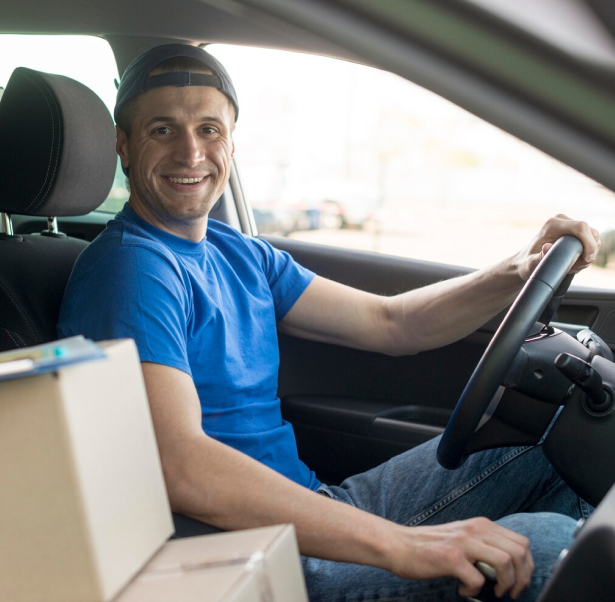

When an Amazon Flex driver caused a serious accident, the insurance company denied corporate responsibility. They claimed the driver was an "independent contractor"—so Amazon shouldn't be liable.
We disagreed.
We pulled the driver's app data to prove that Amazon controlled when, where, and how deliveries were made. The driver couldn't set their own schedule. Amazon tracked their location. Amazon set the delivery windows.
That evidence opened the door to Amazon's corporate coverage—and changed the entire case.
Rideshare cases work the same way. Uber and Lyft claim their drivers are independent contractors. But the app controls everything. Proving that control is often the key to accessing full coverage.
Safety first. Call 911 if anyone is injured. A police report documents the accident and is critical evidence for your claim.
If possible, note whether the driver's app was on and whether they had a passenger. Take a screenshot of your ride receipt if you were the passenger. This information determines which insurance coverage applies.
Document vehicle damage, the accident scene, your injuries, the driver's information, and the rideshare vehicle's license plate and any identifying rideshare markings.
If anyone saw the accident, get their contact information. Third-party witnesses can be crucial in disputed cases.
Florida's PIP deadline applies to rideshare accidents too. See a medical provider within 14 days to preserve your benefits.
Uber, Lyft, and their insurers will want your account of what happened. Be cautious—what you say can affect your claim. Consult an attorney before providing detailed statements.
These cases are complex. An experienced attorney can determine which insurance applies, preserve app data before it disappears, and navigate the corporate legal teams that Uber and Lyft deploy.


These forms allow you to begin the claims process directly with the rideshare company.
Important: Seek legal advice before making detailed statements to the company or its insurer. What you say can be used to minimize your claim.


If you've been injured in a rideshare accident, you may be eligible to recover:

Hospital bills, surgery, rehabilitation, and ongoing treatment
Income lost while recovering, and future lost earning capacity if injuries are permanent
Physical pain and emotional trauma resulting from the accident
Costs to repair or replace your vehicle
Liability in Uber and Lyft accidents can be complex due to multiple potentially responsible parties:




Statute of Limitations for Rideshare Accident Claims
In Florida, the statute of limitations for personal injury claims, including rideshare accidents, is:
Two years from the date of the accident (for incidents occurring after March 24, 2023)
Failing to file your claim within this timeframe may result in losing your right to compensation entirely. Don't wait—evidence disappears and witnesses forget.
Rideshare companies and their insurers often try to minimize payouts by exploiting legal loopholes or shifting blame. An experienced attorney can help by:

Collecting evidence like driver records, app data, and eyewitness testimony before it disappears.
Navigating the complexities of Uber and Lyft's layered insurance policies—and cutting through the finger-pointing.
Ensuring all damages are accounted for, including future medical costs and lost earning capacity that insurance companies hope you'll overlook.
Rideshare cases are complex, but your first call shouldn't be. Tell Danielle what happened, and she'll explain your options clearly—no jargon, no pressure, just honest answers about your situation.
Serving: Boca Raton, Delray Beach, Boynton Beach, Wellington, Parkland, Coral Springs,West Palm Beach, Fort Lauderdale, Miami, and throughout South Florida.
Every case begins with a conversation. Tell us what happened, and we'll let you know how we can help. No pressure, no obligation—just honest answers about your situation.

