Child Car Accident Injuries: Why Proper Restraints Matter
Learn what happens to a child’s body in a car crash and and why proper restraints are so important for keeping young passengers safe.
Read More
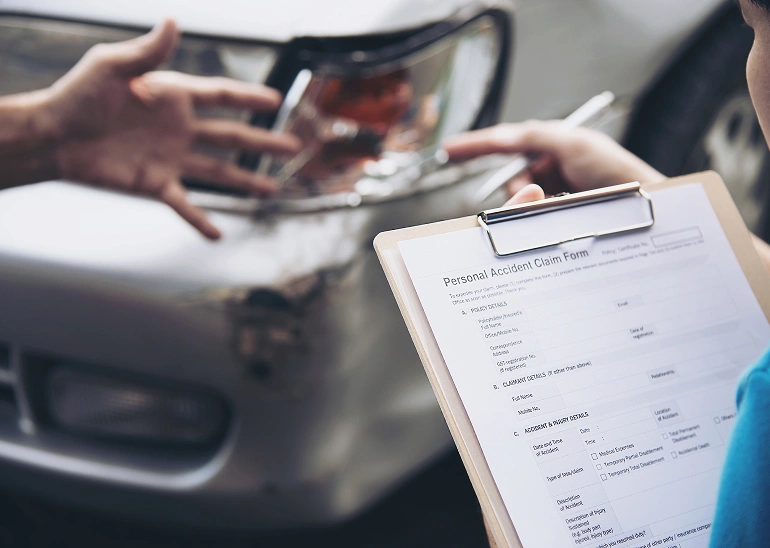
Florida's auto insurance system is different from most states—and more confusing.
As a "no-fault" state, Florida requires drivers to carry Personal Injury Protection (PIP) coverage. But despite being required, PIP is one of the most misunderstood elements of Florida auto insurance.
I see the consequences of this confusion every week: accident victims who don't understand their PIP coverage, miss critical deadlines, or lose benefits they were entitled to.
This post explains how PIP works in Florida, the critical 14-day rule you must know, and how PIP interacts with other insurance coverage after an accident.
Personal Injury Protection (PIP) is Florida's mandatory no-fault auto insurance coverage. It pays for your medical expenses and lost wages after an accident—regardless of who was at fault.
Florida requires every driver to carry at least $10,000 in PIP coverage.
"No-fault" means your own insurance pays first—regardless of who caused the accident.
If someone else rear-ends you at a red light, your PIP coverage still pays your initial medical bills. The at-fault driver's liability insurance becomes relevant later, for damages beyond what PIP covers.
This system was designed to:
Whether it actually accomplishes these goals is debatable. But it's the system Florida uses.
If you don't seek medical treatment within 14 days of your accident, you may lose your PIP benefits entirely.
This is not an exaggeration. Florida law requires that you receive "initial services and care" within 14 days of the accident. If you don't, your PIP coverage can be reduced to nothing.
The 14-day clock starts at the date of the accident—not when you start feeling symptoms.
Why This Matters: Many injuries—especially soft tissue injuries, concussions, and whiplash—don't show full symptoms immediately. You might feel "fine" after an accident, then develop serious pain days later.
If you wait too long to see a doctor, you may discover that:
The Solution: See a doctor within 14 days of any car accident—even if you feel okay. It costs you nothing (PIP covers it), documents your injuries, and protects your benefits.
There's an additional complication: PIP only pays the full $10,000 benefit if you have an "emergency medical condition."
If a medical professional determines your condition is not an emergency, your PIP benefits may be limited to $2,500.
An "emergency medical condition" is defined as symptoms severe enough that the absence of immediate medical attention could result in:
This determination is made by medical providers—but insurance companies challenge these classifications regularly.
The Practical Impact: Make sure you're treated by medical providers who understand the PIP system and can properly document the emergency nature of your condition.
PIP is first-payer coverage. It pays before other insurance—but it's limited.
Here's how PIP interacts with your other coverage:
Health Insurance: After PIP is exhausted (or for the 20% PIP doesn't cover), your health insurance may pick up additional medical expenses. Many people use health insurance alongside PIP.
Medical Payments Coverage (MedPay): If you have MedPay on your auto policy, it can supplement PIP—covering the gaps PIP leaves. MedPay typically pays 100% of covered expenses (not just 80%) and doesn't have the emergency condition requirement.
Liability Claims: PIP doesn't prevent you from making a liability claim against the at-fault driver. If your damages exceed what PIP covers, you can pursue the at-fault driver's insurance for additional compensation—including pain and suffering.
UM/UIM Coverage: If the at-fault driver is uninsured or underinsured, your UM coverage kicks in after PIP is exhausted.
$10,000 Isn't Much The minimum PIP coverage—$10,000—sounds like reasonable protection. In reality, it covers very little:
A moderately serious car accident can exhaust PIP coverage within days.
Only 80% Coverage PIP pays 80% of medical bills—you're responsible for the remaining 20%. On a $10,000 policy, that's $2,000 out of your pocket.
Coordination of Benefits Issues When PIP, health insurance, and liability claims all intersect, coordination of benefits can be confusing. Insurance companies sometimes deny coverage claiming another insurer should pay first.
Fraud Concerns Lead to Scrutiny Florida has struggled with PIP fraud, leading insurance companies to scrutinize claims aggressively. Legitimate claims sometimes get denied or delayed as a result.
Yes, but there are thresholds. Florida's no-fault law limits lawsuits to cases involving:
For minor injuries, you're generally limited to PIP and other insurance recovery.
PIP only pays up to your policy limits. For bills beyond that, you may have options:
Generally, yes. PIP typically covers the named insured, family members, and passengers—unless the passenger has their own PIP coverage, which may apply first.
Florida PIP can cover pedestrians and cyclists hit by vehicles. Your PIP coverage or the vehicle's PIP coverage may apply—the rules are complex.
Some insurers offer higher PIP limits. Given how quickly $10,000 disappears, higher limits may be worth considering—ask your agent.
This cannot be overstated. Don't wait to see if symptoms develop—get checked out.
Make sure your medical providers document the emergency nature of your condition and the connection between your injuries and the accident.
Save all medical bills, treatment records, and communications with insurance companies.
Inconsistent treatment or unexplained gaps can be used to deny PIP claims.
Medical Payments coverage is usually inexpensive and fills many PIP gaps. Ask your agent about adding it.
If your PIP claim is being denied, delayed, or if you have questions about coordination of benefits, an attorney can help navigate the system.
PIP is just one part of your auto insurance—and it has significant gaps. The Auto Coverage Concierge helps you understand all your coverage types and identify where you may be vulnerable.
Many families discover—after reviewing their policies—that:
Understanding these gaps before an accident is the whole point of the Auto Coverage Concierge.
Download the Free Insurance Guide
Florida PIP coverage provides basic protection after car accidents — but it's limited, confusing, and comes with critical deadlines.
The most important thing to remember: see a doctor within 14 days of any car accident. This protects your PIP benefits and documents your injuries.
Beyond that, understand that $10,000 in PIP coverage won't get you very far. Make sure you have other coverage — MedPay, adequate UM/UIM, health insurance — to fill the gaps.
If you've been in an accident and have questions about your PIP coverage or other insurance issues, I'm happy to help.


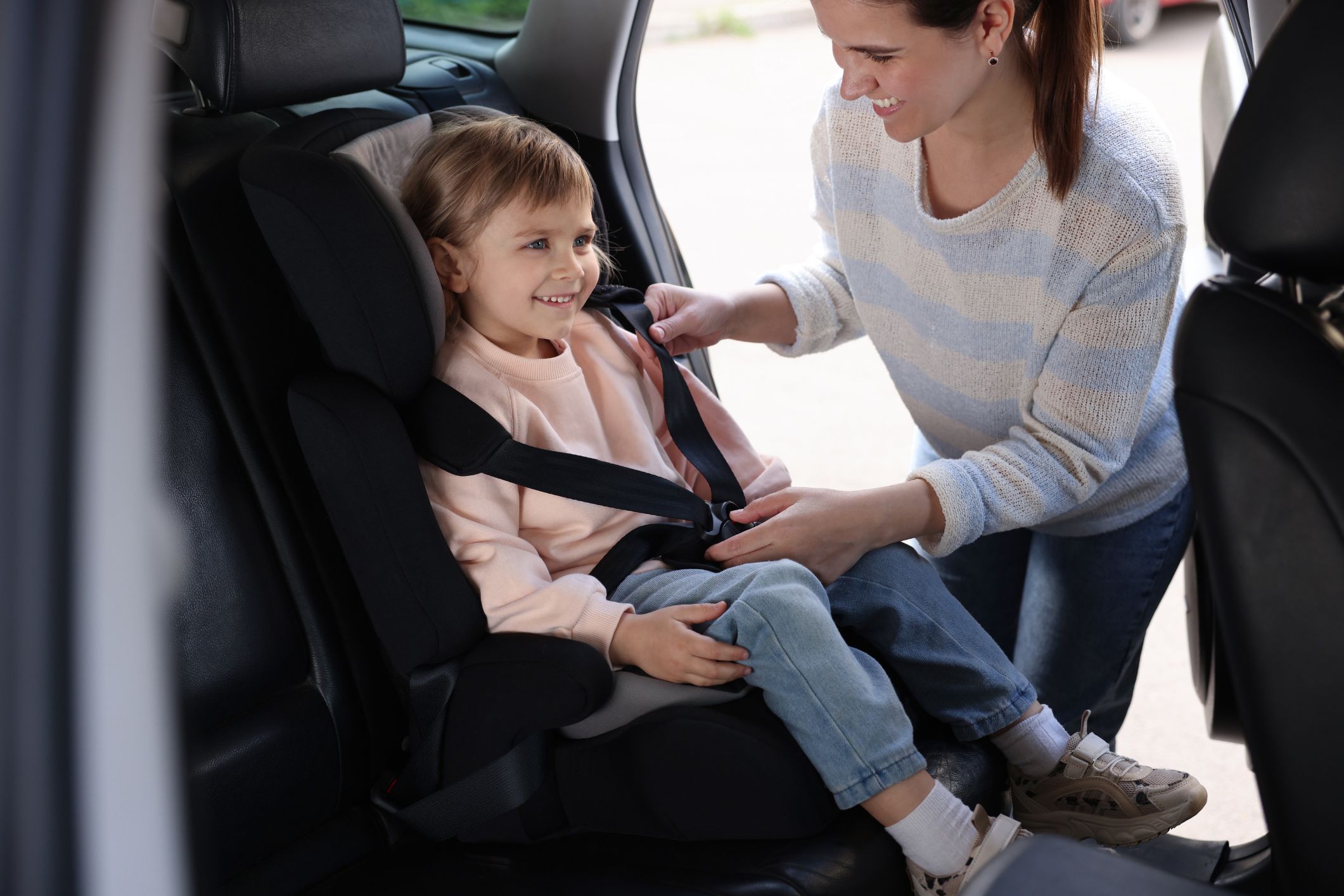
Learn what happens to a child’s body in a car crash and and why proper restraints are so important for keeping young passengers safe.
Read More
From school drop-offs to sports practice, learn how to keep kids safe with these car seat safety tips.
Read More
National Child Passenger Safety Month is the perfect time to double-check that your child’s car seat, harness, and booster are installed correctly.
Read MoreEvery case begins with a conversation. Tell Danielle what happened, and she'll give you honest answers about your situation and options.
Every case begins with a conversation. Tell us what happened, and we'll let you know how we can help. No pressure, no obligation—just honest answers about your situation.

