Child Car Accident Injuries: Why Proper Restraints Matter
Learn what happens to a child’s body in a car crash and and why proper restraints are so important for keeping young passengers safe.
Read More

The moments after a car accident are chaotic. Your heart is pounding. You might be in pain. Other drivers are honking. Someone might be yelling at you. Everything feels urgent and confusing.
Here's the truth: what you do in the first 24 hours after a Florida car accident can significantly impact your health, your legal rights, and your ability to recover compensation later.
As a personal injury attorney (and former prosecutor) who has handled hundreds of car accident cases, I've seen how small decisions at the accident scene—or in the hours after—can help or hurt a case. This guide walks you through exactly what to do, step by step.
Before anything else, assess whether you and your passengers are safe:
In Florida, you must report accidents that involve:
Even for minor accidents, having a police report is valuable documentation. The responding officer will document the scene, collect statements, and create an official record.
Tip: Note the responding officer's name and badge number, and ask how to obtain the accident report.
Collect from the other driver(s):
If there are witnesses, get their names and phone numbers too. Witnesses disappear quickly—this is your best chance to identify them.
Your smartphone is your best tool here:
The more documentation, the better. You can always delete photos later—you can't go back and take them.
This is important: do not admit fault or apologize. Even saying "I'm sorry" can be used against you later.
Stick to the facts:
This is critical—even if you feel okay.
Some injuries don't show symptoms immediately:
Go to the emergency room if your injuries seem serious. Otherwise, see a doctor or urgent care within 24 hours.
Why this matters legally: Florida's PIP (Personal Injury Protection) insurance has a "14-day rule." If you don't seek medical treatment within 14 days of your accident, you may lose your PIP benefits entirely. Don't wait.
You have a duty to report accidents to your own insurance company promptly. Stick to the basic facts:
Do not give a detailed recorded statement yet. You can say you'll provide more details after you've had time to collect your thoughts and consult with an attorney.
The other driver's insurance adjuster may call quickly—sometimes the same day. They're trained to get statements that help them deny or minimize your claim.
You are not required to give them a statement. Politely tell them you're still gathering information and will be in touch, or that they can contact your attorney.
Start a folder (physical or digital) for:
Not every accident requires a lawyer. But you should at least consult with one if:
Most personal injury attorneys offer free consultations and work on contingency (no upfront cost to you).
❌ Don't post about the accident on social media. Insurance companies monitor social media. Even innocent posts can be used against you.
❌ Don't accept an early settlement offer. Insurance companies make quick offers hoping you'll settle before you understand the full extent of your injuries.
❌ Don't sign medical releases for the other driver's insurance company. They may use these to dig through your entire medical history looking for reasons to deny your claim.
❌ Don't miss medical appointments. Gaps in treatment can be used to argue your injuries aren't serious.
❌ Don't give a recorded statement to any insurance company without first consulting an attorney.
Want a printable version of these steps to keep in your car?
Download our free Florida Car Accident Checklist
Florida is a "no-fault" state, meaning your own PIP insurance pays your medical bills first (up to $10,000), regardless of who caused the accident. But you must seek treatment within 14 days to preserve this coverage.
In Florida, you generally have two years from the date of the accident to file a personal injury lawsuit. This seems like a long time, but evidence disappears, witnesses forget, and building a strong case takes time. Don't wait until the deadline approaches.
Florida uses "comparative negligence," which means you can recover damages even if you were partially at fault—but your recovery is reduced by your percentage of fault. This is why documentation and witness statements matter so much.
You should at least consult with an attorney if:
At Kushel Law Group, we offer free consultations and can help you understand your options—even if you ultimately decide you don't need an attorney.


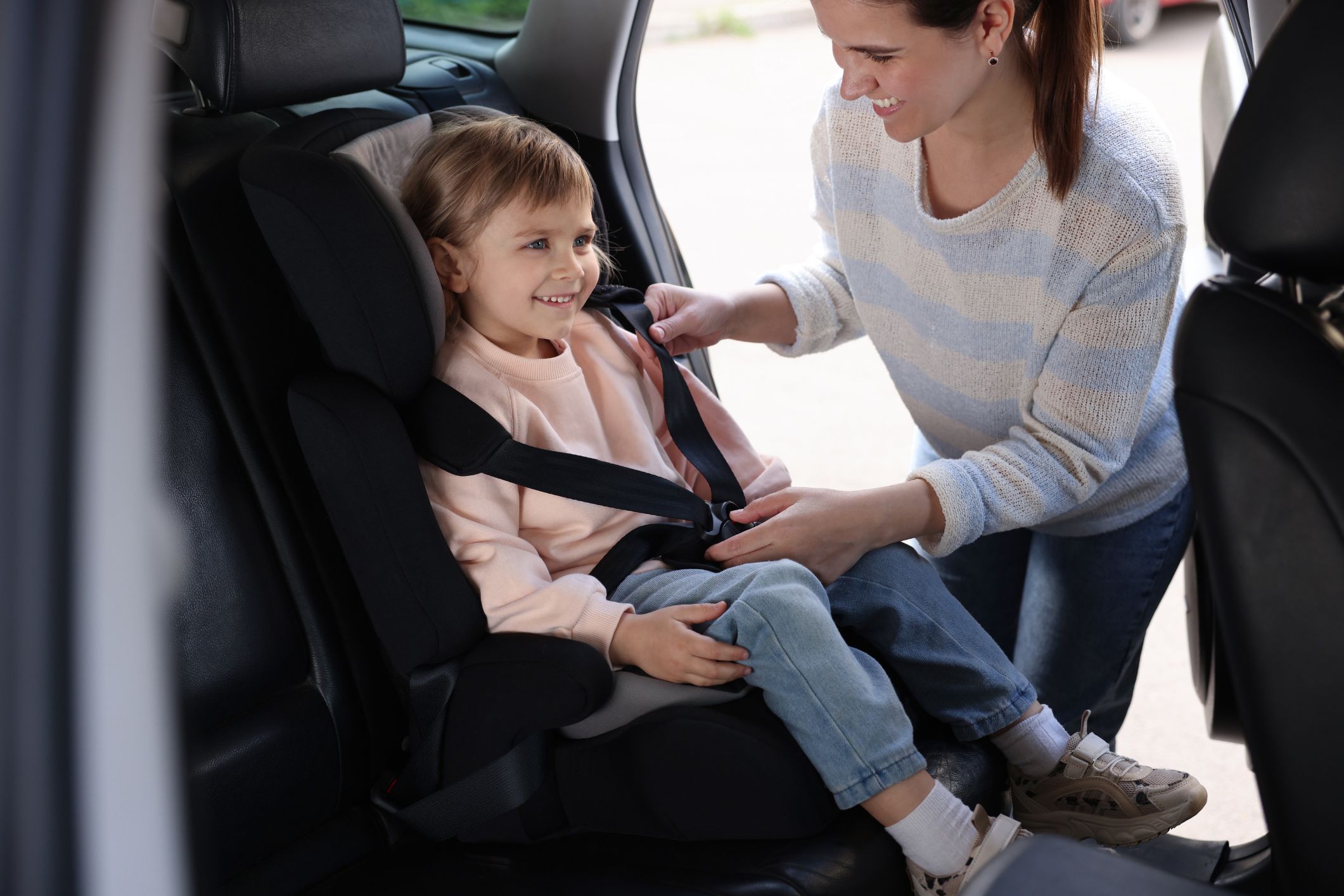
Learn what happens to a child’s body in a car crash and and why proper restraints are so important for keeping young passengers safe.
Read More
From school drop-offs to sports practice, learn how to keep kids safe with these car seat safety tips.
Read More
National Child Passenger Safety Month is the perfect time to double-check that your child’s car seat, harness, and booster are installed correctly.
Read MoreEvery case begins with a conversation. Tell Danielle what happened, and she'll give you honest answers about your situation and options.
Every case begins with a conversation. Tell us what happened, and we'll let you know how we can help. No pressure, no obligation—just honest answers about your situation.

