Child Car Accident Injuries: Why Proper Restraints Matter
Learn what happens to a child’s body in a car crash and and why proper restraints are so important for keeping young passengers safe.
Read More
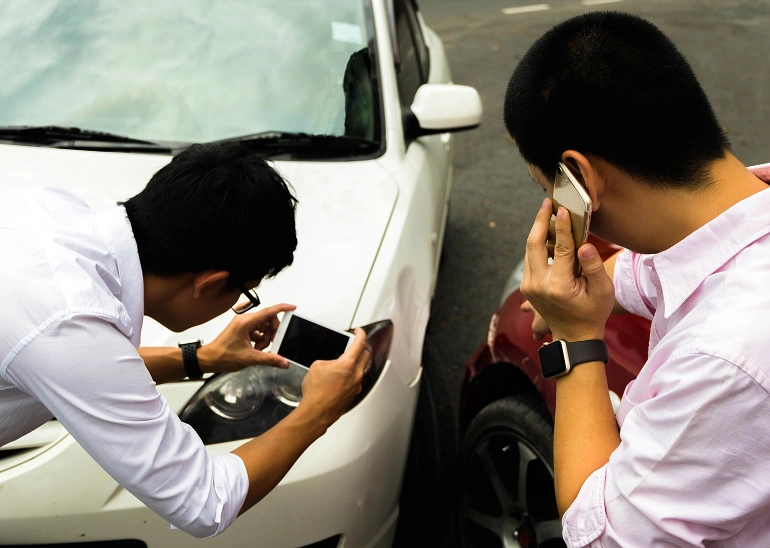
Uber and Lyft have transformed how South Florida moves. But their insurance structures have created a maze of confusion for accident victims.
When a rideshare accident happens, the first question is always: "Who pays?"
The answer is: it depends. On what the driver was doing. On which insurance applies. On how the rideshare company structures its coverage.
As a personal injury attorney who specializes in rideshare cases, I've seen how complex these claims can be—and how important it is to understand the insurance layers before you make any decisions about your case.
This post explains how rideshare insurance works in Florida, who may be liable for your injuries, and what you need to know to protect your claim.
Uber and Lyft use a "period" system that determines what insurance coverage is available based on what the driver was doing at the exact moment of the crash.
The driver's app is completely off. Uber and Lyft provide no coverage. The driver's personal auto insurance applies—but it often excludes rideshare driving.
The driver's app is on, but they haven't accepted a ride. Uber/Lyft provide limited coverage:
These limits are often insufficient for serious injuries.
The driver has accepted a ride and is driving to pick up the passenger. Full commercial coverage kicks in:
From pickup to dropoff, the same $1 million coverage applies as Period 2.
The coverage difference between periods is enormous:
If you're seriously injured and the driver was in Period 1, you may be limited to $50,000 in coverage. If they were in Period 2 or 3, you may have access to $1 million.
This is why determining what the driver was doing at the moment of the crash is critical to your case.
If you were riding in an Uber or Lyft when an accident happened, you likely have the strongest claim. Period 3 coverage ($1 million) should apply whether your driver was at fault or another driver caused the crash.
You may have claims against:
If you were driving your own car and hit by an Uber or Lyft driver, your recovery depends on what period the rideshare driver was in. This requires investigating app data and trip records.
If you were hit by a rideshare driver while walking or cycling, the same period analysis applies. Determining what the driver was doing at impact is essential.
This is complicated.
Uber and Lyft structure themselves to limit direct liability. They classify drivers as "independent contractors," not employees—and argue this shields the company from responsibility.
However:
The practical answer: most rideshare injury claims are paid through Uber or Lyft's insurance policies, even if the company itself isn't held directly liable.
Here's a scenario I've handled:
A woman was hit by an Uber driver who ran a red light. Her injuries were significant—surgery, months of physical therapy, lost wages.
The complexity:
Result: We proved Period 2 applied, unlocking the $1 million commercial coverage instead of the $50,000/$100,000 Period 1 limits.
Without the app data, this case would have been worth a fraction of its true value.
Rideshare cases can involve three or more insurance policies:
Navigating which applies—and how they interact—requires specific experience.
The rideshare app records what the driver was doing. This data is essential—but it doesn't last forever. Quick action to preserve it is crucial.
In rideshare cases, insurance companies love to point fingers at each other:
An experienced attorney cuts through this and forces the responsible party to act.
Uber and Lyft have sophisticated legal departments whose job is to limit payouts. They'll dispute coverage, argue about periods, and use every procedural tool available.
Your health comes first. Don't delay treatment.
Uber and Lyft's insurance companies often make early offers. These are almost always far less than your case is worth. Don't accept anything without understanding the full picture.
Insurance adjusters will call quickly. You're not required to give recorded statements. Consult with an attorney first.
Evidence preservation is critical in rideshare cases. The sooner an attorney can request app data and other records, the stronger your case will be.
Yes. The rideshare company's $1 million commercial policy should apply regardless of whether your driver or another driver was at fault.
Many rideshare drivers carry minimal personal coverage—and their policies often exclude rideshare driving. This makes accessing Uber/Lyft's commercial coverage even more important.
App data, trip records, and GPS logs can establish exactly what the driver was doing. Preserving this evidence quickly is essential.
Yes. Rideshare injury claims can include medical expenses, lost wages, pain and suffering, and other damages—just like any personal injury claim.
Florida's statute of limitations for personal injury is generally two years. But don't wait—evidence disappears and witnesses forget.
Rideshare accidents are more complex than standard car accidents. The period system, multiple insurance policies, and corporate legal teams create obstacles that most accident victims can't navigate alone.
If you've been injured in an Uber or Lyft accident in South Florida, you need an attorney who understands how these cases actually work—not just someone who handles general car accidents.
I've built a practice around rideshare injury cases precisely because I saw how often these victims were being undercompensated or denied coverage they deserved.


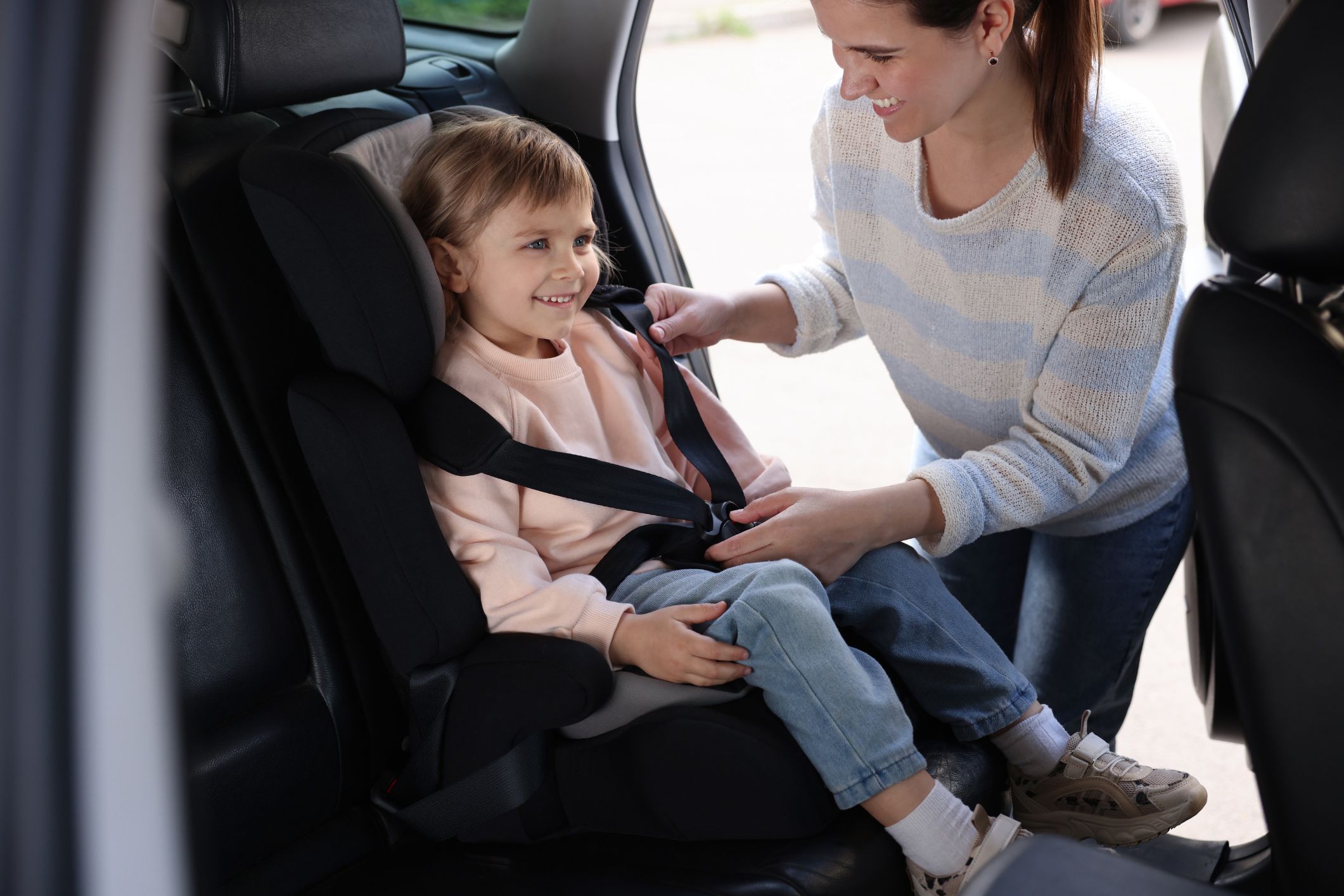
Learn what happens to a child’s body in a car crash and and why proper restraints are so important for keeping young passengers safe.
Read More
From school drop-offs to sports practice, learn how to keep kids safe with these car seat safety tips.
Read More
National Child Passenger Safety Month is the perfect time to double-check that your child’s car seat, harness, and booster are installed correctly.
Read MoreEvery case begins with a conversation. Tell Danielle what happened, and she'll give you honest answers about your situation and options.
Every case begins with a conversation. Tell us what happened, and we'll let you know how we can help. No pressure, no obligation—just honest answers about your situation.

