Child Car Accident Injuries: Why Proper Restraints Matter
Learn what happens to a child’s body in a car crash and and why proper restraints are so important for keeping young passengers safe.
Read More
Here's a scenario I see almost every week:
A family is hit by a driver who runs a red light. The injuries are serious—broken bones, months of physical therapy, lost wages. Then comes the devastating discovery: the at-fault driver has no insurance. Or they have the Florida minimum ($10,000), which won't cover even the ambulance ride.
Suddenly, this family is facing six figures in medical bills with nowhere to turn.
Unless they have adequate uninsured motorist (UM) coverage.
UM coverage is the most important protection on your auto insurance policy—and it's the one most Florida drivers misunderstand, undervalue, or skip entirely. This post explains what it is, why you need it, and how much you should carry.
Uninsured motorist coverage protects YOU when someone else causes an accident but doesn't have insurance (or doesn't have enough).
Here's the key insight: UM coverage insures against other people's failure to carry adequate insurance.
It covers:
If any of these scenarios injure you, your UM coverage steps in to pay for your medical bills, lost wages, and pain and suffering—up to your policy limits.
Florida has one of the highest uninsured driver rates in the country. Estimates suggest 20-25% of Florida drivers have no insurance at all.
And Florida's minimum liability requirements are dangerously low:
Read that again: Florida does not require drivers to carry bodily injury liability coverage. A driver can be "legally insured" in Florida with zero coverage for injuries they cause to others.
So when someone runs a red light and puts you in the hospital, they may have nothing—legally—to pay your bills.
This is exactly why UM coverage exists. It protects you from other people's bad decisions.
This confuses many people, so let's clarify:
Bodily Injury Liability (BIL) pays for injuries YOU cause to OTHER people.
Uninsured Motorist (UM) pays for injuries OTHER people cause to YOU (when they don't have adequate insurance).
Both are important. But UM coverage directly protects your family—which is why I consider it essential.
My general recommendation: carry at least as much UM coverage as you have bodily injury liability coverage.
If you carry $100,000/$300,000 in liability coverage, you should have at least $100,000/$300,000 in UM coverage.
Why? Because you're worth at least as much protection as you provide to others.
Better yet: consider carrying more UM coverage than your liability coverage. The people most likely to hit you (aggressive drivers, people who don't maintain their cars, etc.) are also the most likely to be uninsured or underinsured.
Minimum I'd recommend: $100,000 per person / $300,000 per accident
Better: $250,000 / $500,000
Best (if you have assets to protect): $500,000+ or umbrella policy
This is where Florida insurance gets complicated—and where many families leave money on the table.
If you have multiple vehicles on your policy, you have a choice:
Non-Stacked UM: Each vehicle has its own UM coverage. If you have 3 cars with $100,000 UM each, you have $100,000 in coverage, period.
Stacked UM: Your UM coverage adds together across vehicles. With 3 cars and $100,000 stacked UM each, you have $300,000 in coverage.
The premium difference for stacking is usually modest. The coverage difference can be enormous.
Example:
Non-stacked result: Maximum recovery = $100,000. Family absorbs $150,000 in losses.
Stacked result: Maximum recovery = $300,000. Family is covered.
Same premium (roughly). Vastly different protection.
If you have multiple vehicles and your UM is non-stacked, call your agent today.
When you make a UM claim, you can recover:
Essentially, you can recover everything you would have recovered from the at-fault driver—if they had insurance.
"Full coverage" isn't a real insurance term. It usually means you have comprehensive and collision—which cover your car, not your injuries. You may still have minimal or no UM coverage.
Actually, UM coverage is typically affordable—especially compared to liability coverage. The cost difference between minimum and adequate UM coverage is often less than $20/month.
You can try. But if someone doesn't carry insurance, they usually don't have assets either. You might win a judgment and never collect a penny.
Health insurance covers medical bills. It doesn't compensate you for lost wages, pain and suffering, or future medical needs. And it may have high deductibles and coverage limits.
Pull up your insurance declarations page (the summary document your insurer provides). Look for:
If you can't find this information or don't understand what you're looking at, call your agent and ask these specific questions:
At Kushel Law Group, I created the Auto Coverage Concierge because I saw too many families discover their coverage gaps after accidents—when it was too late.
The service includes:
I'm not an insurance agent. I don't sell policies or earn commissions. I'm an attorney who sees the consequences of inadequate coverage every week—and I believe families deserve to understand their protection before they need to use it.
Download the Free Insurance Guide
Uninsured motorist coverage is the protection that protects YOUR family when other drivers fail.
In a state where 20%+ of drivers have no insurance—and many more have woefully inadequate coverage—UM insurance isn't optional. It's essential.
Take 15 minutes today to check your coverage. If your UM limits are less than $100,000/$300,000, call your agent about increasing them. If you have multiple vehicles and non-stacked coverage, ask about stacking.
These changes could cost you a few extra dollars per month. They could save your family's financial future.
If you've been injured by an uninsured or underinsured driver and have questions about your coverage options, I'm happy to help. Consultations are free and confidential.


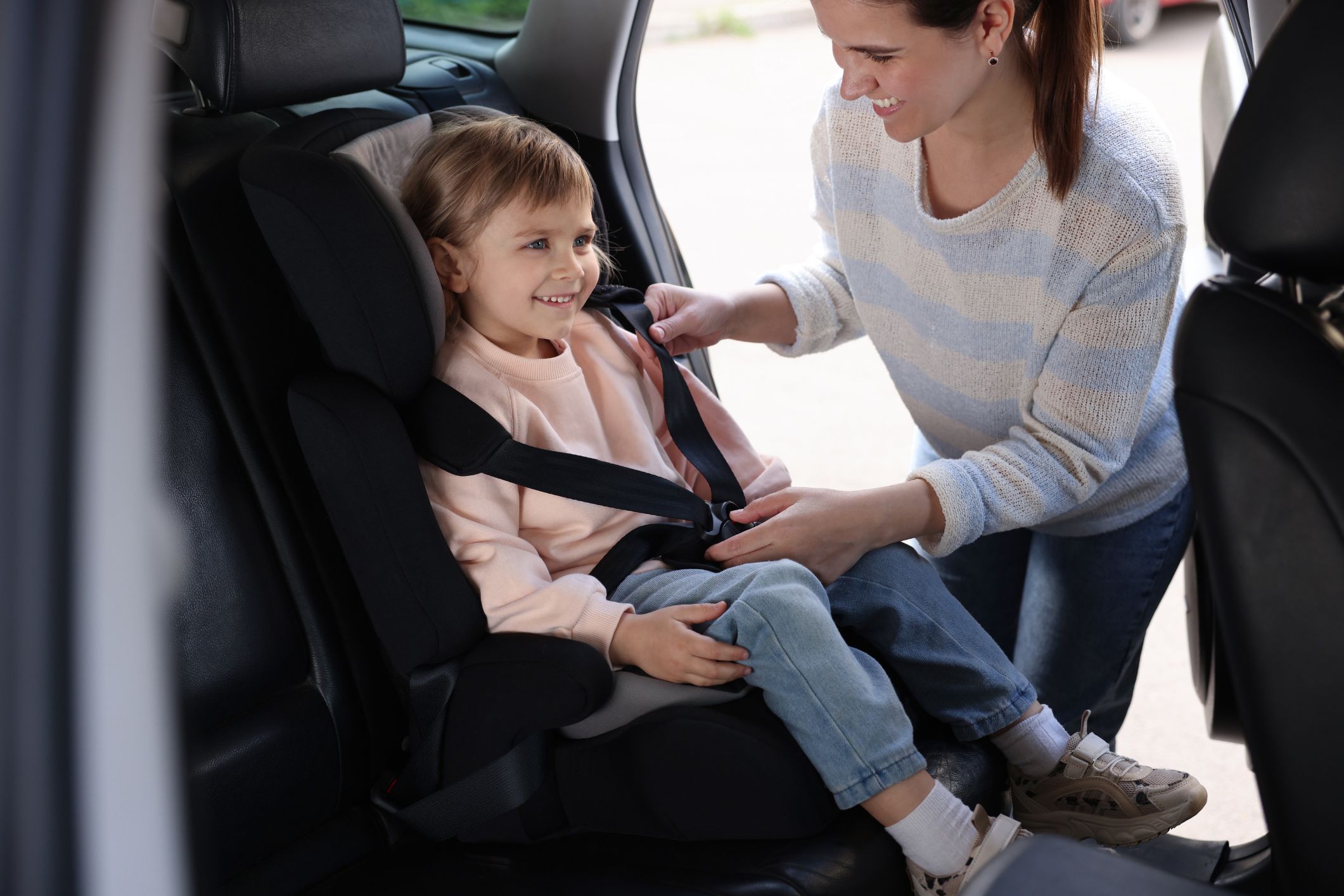
Learn what happens to a child’s body in a car crash and and why proper restraints are so important for keeping young passengers safe.
Read More
From school drop-offs to sports practice, learn how to keep kids safe with these car seat safety tips.
Read More
National Child Passenger Safety Month is the perfect time to double-check that your child’s car seat, harness, and booster are installed correctly.
Read MoreEvery case begins with a conversation. Tell Danielle what happened, and she'll give you honest answers about your situation and options.
Every case begins with a conversation. Tell us what happened, and we'll let you know how we can help. No pressure, no obligation—just honest answers about your situation.

