Child Car Accident Injuries: Why Proper Restraints Matter
Learn what happens to a child’s body in a car crash and and why proper restraints are so important for keeping young passengers safe.
Read More

March is Brain Injury Awareness Month. And if there's one injury I wish more families understood, it's the one that doesn't always show up right away.
Traumatic brain injuries - TBIs - are one of the most common and most underdiagnosed injuries from car accidents. You can walk away from a crash feeling mostly fine. Your adrenaline is pumping, your body is in survival mode, and your brain hasn't fully registered the impact yet.
Then, days or weeks later, something feels off. Headaches that won't go away. Trouble concentrating. Mood changes. Memory gaps. Sleep disruption.
Most people don't connect these symptoms to the accident. They think they're stressed. They think they're tired. They wait it out.
That delay can cost them - medically and legally. Here's what I need you to know.
With a broken bone, the X-ray tells the story. With a laceration, you can see the damage. Brain injuries don't work that way.
A TBI can occur even without a direct blow to the head. The sudden deceleration of a car crash can cause the brain to move inside the skull, hitting the interior walls. This is called a coup-contrecoup injury, and it can happen at surprisingly low speeds.
What makes TBIs dangerous is the delay. Symptoms often don't appear for 24-72 hours, sometimes longer. During that window, many accident victims:
Every one of those actions can be used against them later. "If you were really injured, why did you decline medical treatment at the scene?"
The answer is biology: adrenaline masks pain, and brain injuries present differently than other injuries.
In the days and weeks following a car accident, pay attention to:
Physical symptoms:
Cognitive symptoms:
Emotional/behavioral symptoms:
These symptoms can be subtle. They can build gradually. And they're easy to attribute to stress, lack of sleep, or "just getting older."
If you've been in an accident and any of these symptoms appear - even weeks later - get evaluated by a medical professional who understands TBI. Not your primary care doctor who might say "give it time." A neurologist or concussion specialist.
Here's where Brain Injury Awareness Month intersects directly with what I do every day.
Insurance companies look for reasons to minimize brain injury claims. Their most common arguments:
"You didn't report symptoms at the scene." Adrenaline explains that. But without documentation, they'll use it.
"There's a gap in your treatment." If you waited three weeks to see a doctor because you thought the headaches would pass, the insurance company argues the injury isn't serious - or isn't related to the accident.
"The imaging looks normal." Many mild to moderate TBIs don't show up on standard CT scans or MRIs. That doesn't mean the injury isn't real. It means the diagnostic tools have limitations.
"You have a pre-existing condition." If you've ever had a prior concussion, migraines, or any neurological history, insurance will try to attribute your current symptoms to that history rather than the accident.
This is why documentation matters from day one. Medical records, symptom journals, neurological evaluations - they build the evidence that protects your claim.
Brain Injury Awareness Month exists because these injuries are invisible, misunderstood, and underreported. The CDC estimates 1.5 million Americans sustain a TBI each year. Motor vehicle accidents are one of the leading causes.
Many of these injuries go undiagnosed because people don't know what to look for. They don't connect their symptoms to the crash. They don't seek the right medical care. And by the time they do, critical time and evidence has been lost.
This is exactly the kind of education I believe in. Know what to watch for before you ever need it. Share this with your family. Save it. The day you need it, you'll be glad you read it.
If you or someone in your family has been in an accident and is experiencing any of these symptoms, don't wait. Early evaluation and documentation can make all the difference - medically and legally.


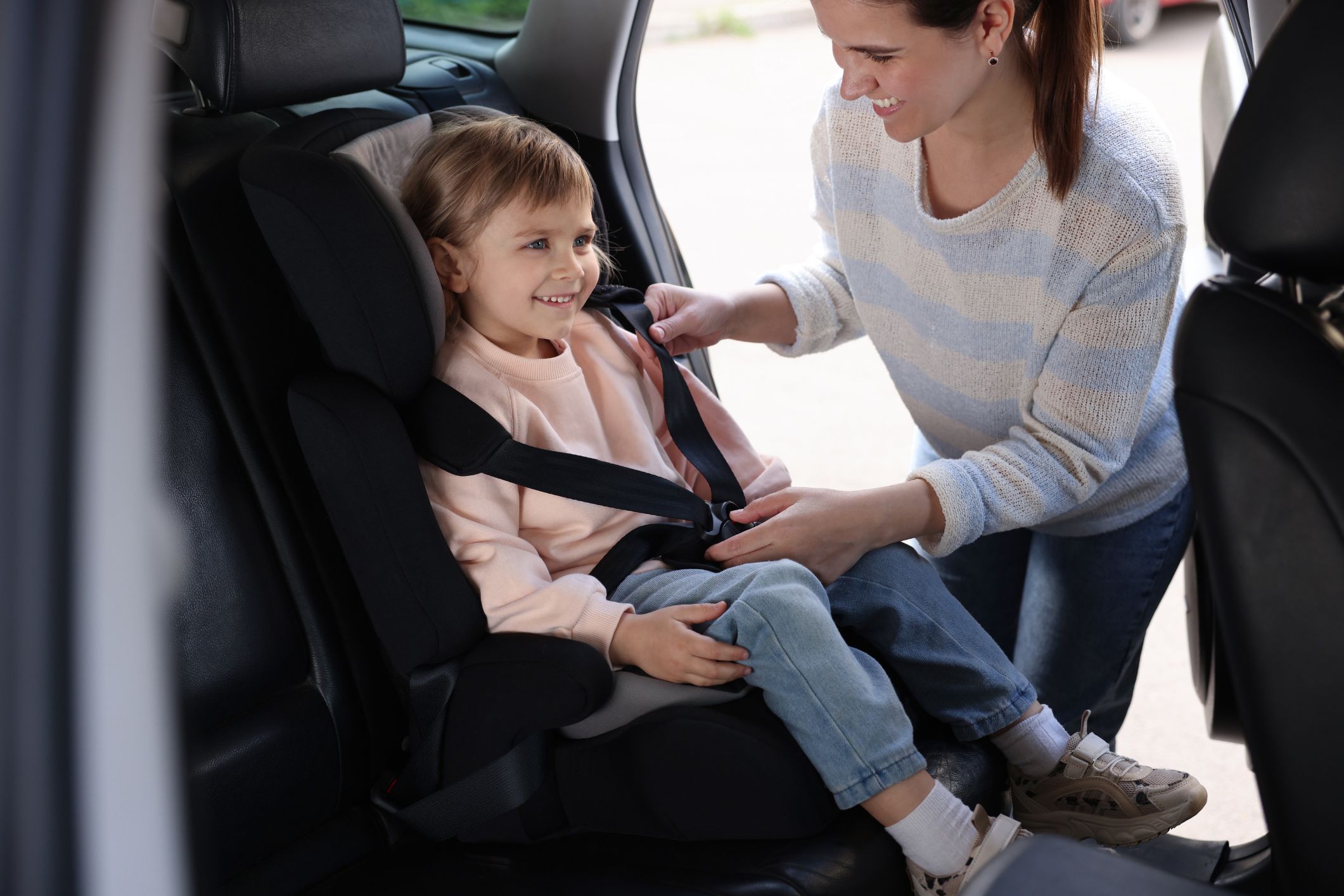
Learn what happens to a child’s body in a car crash and and why proper restraints are so important for keeping young passengers safe.
Read More
From school drop-offs to sports practice, learn how to keep kids safe with these car seat safety tips.
Read More
National Child Passenger Safety Month is the perfect time to double-check that your child’s car seat, harness, and booster are installed correctly.
Read MoreEvery case begins with a conversation. Tell Danielle what happened, and she'll give you honest answers about your situation and options.
Every case begins with a conversation. Tell us what happened, and we'll let you know how we can help. No pressure, no obligation—just honest answers about your situation.

