Child Car Accident Injuries: Why Proper Restraints Matter
Learn what happens to a child’s body in a car crash and and why proper restraints are so important for keeping young passengers safe.
Read More

A friend of mine got in a crash last week. He had been telling me for months he was going to install the dash cam I gave him. He never did.
The crash was not his fault. He knows it. I believe him. But there is no video of what actually happened, no second angle, no time-stamped record of what the other car did before impact. Without that, the case becomes his word against theirs, and a lot of these end the way you would expect.
I have another client. Same kind of crash. Different outcome.
He was going through an intersection on a green light when another driver came across from the cross street and hit his rear passenger side. Intersection cases like that are usually a months-long fight over who actually had the right of way. Without a witness or video, the insurance companies pick a side and you argue.
He had a dash cam. He pulled the footage on scene and showed it to the responding officer. The officer issued the other driver two tickets and put her at fault on the report.
The liability fight that should have taken months never happened. We went straight to damages.
Same kind of intersection collision. Two completely different cases.
I think about both of them every time someone tells me they do not need a dash cam.
Summer is here. School is out. Kids are in the car for camp drop-offs, sports practices, beach days, the long drive to grandma's house. The roads get busier. Tempers get shorter. And the same crash that would have been an obvious no-fault claim in the winter becomes a he-said-she-said in July.
This is the post I wish I could send to every family before they need it.
Florida summer driving is its own category. School is out. Beach traffic. Tourist drivers who do not know the lane patterns. Afternoon storms that drop visibility to nothing in fifteen seconds. Kids in the back seat that pull a parent's attention when they should not.
The crashes I work on in summer have a few common features. The other driver is doing something they should not be doing. There are no witnesses, or the witnesses scatter before anyone gets a name. The damage looks like one thing on the surface and is actually something else. And by the time the case lands on my desk, the version of the story the insurance company is running with is not the version the actual evidence supports.
A dash cam fixes most of that.
Video does not lie. It does not get rattled when an adjuster calls. It does not forget what color the light was. It does not get talked out of what it saw. It just plays.
In a state where the at-fault rules and PIP coverage already make these cases complicated, having video is the difference between a clean case and a fight you should not have to have.
A front-only camera misses half of the most common claims. The car that rear-ends you. The car that swerves in behind you and then claims you reversed. Front and rear is the baseline.
The good ones overwrite the oldest footage when storage fills, and they keep recording (in a low-power mode) when the car is parked. Hit-and-run in a parking lot? That mode is what gets you the plate.
When the camera detects a sudden deceleration or impact, it locks the surrounding clip from being overwritten. You do not have to remember to save it. The camera does it for you.
Some cameras require you to pull the SD card. Some let you connect to a phone app. Either is fine. What you do not want is a system where you cannot retrieve the file in the days right after a crash, when it matters most.
A lot of these crashes happen at dusk or in storms. A camera that turns into static at low light is worse than no camera, because it gives the other side a "you can't really see anything in the video" argument.
This is the part that kills most people. They buy the camera and never plug it in. Look for a model that runs on the cigarette lighter or a hardwire kit a shop can install in 30 minutes. You do not need a professional installer for the basic version.
Pick a model in the $80-$200 range from a brand that has been around for at least a few years. That covers 90% of what I am describing. If you want my recommended model, you can grab it here.
This is the part most people do not understand until it is too late.
The first thing an adjuster does is build a story. Where the cars were. Who hit who. What the driver was doing. A dash cam time-stamps every second of the lead-up. Speed. Lane position. Brake lights. Phone use. Time of day. The story they were going to build now has to match the footage. Most of the time, it cannot.
A driver who insists they did not run the light, until you watch them run the light. A passenger on the phone in the other car. A truck that was already braking before yours did. The video pulls in details no human eye is going to catch in real time.
Some of the cases I move quickly are cases where the video makes liability impossible to argue. The insurance company does the math, sees that a jury is going to watch this footage, and offers a real number sooner. Cases without video tend to drag.
The intersection case I opened with is the cleanest version of this. Without footage, the other driver's story would have stood next to my client's, and the insurance companies would have taken her side. The dash cam ended the fight before it could start. The officer issued the tickets the same day. By the time the case landed on my desk, liability was no longer the question.
And I want to be honest about this. If the footage shows you doing something you should not have been doing, it shows that too. I would rather you have the video. The truth is the truth. But it is not a one-way tool. It is a record.
A hit-and-run is the case where dash cam footage does the most work.
The driver flees. There is no name, no plate, no insurance information. Most people assume they are stuck. They are not, but the path forward is harder.
I worked a case for a client in this exact situation. The other driver took off. Police could not track the vehicle. My client thought she was out of options. She had UM (uninsured motorist) coverage on her own policy, but her own insurance company was not going to pay it without proof of what happened.
We built a forensic case. 911 timing data. Scene reconstruction. Witness statements stitched together from neighbors. The targeted evidence package was strong enough that the carrier paid.
If she had had a dash cam, the entire process would have taken weeks instead of months. The plate would have been on the video. The impact would have been time-stamped. The carrier would not have had grounds to push back.
You do not need a hit-and-run to make a dash cam worth it. But if you have one, that is the case where it changes the entire trajectory.
If you are reading this and your dash cam is sitting in a drawer like my friend's, here is the path of least resistance.
Open the box. Read the two-page quick start. Plug it into the cigarette lighter or have a shop hardwire it on your next oil change ($30-50 add-on at most shops). Stick the front camera high on the windshield, behind the rearview mirror so it does not block your view. Run the cable along the headliner and down the door pillar. Most cameras come with the clips to do this cleanly.
Rear camera goes in the rear window, wired across the headliner.
SD card goes in the camera. Format it through the camera menu. Test the recording for one drive home. Confirm the date and time stamp are correct.
Done.
You will forget about it the moment it is installed. That is the goal. The day you remember it again is the day it is doing its job.
Summer driving is unforgiving. The cases I work on in July and August are often cases that should have been straightforward and were not, because there was no record of what actually happened.
A dash cam is the cheapest insurance most families never buy. A few hours and a couple hundred dollars puts a record in the car that does not get tired, does not get scared, does not get talked out of the truth.
If you have one in a drawer, install it this weekend.
If you do not have one, buy one before the next family road trip.
This is the kind of thing you do not need until you do.
Need help or recommendations understanding your auto policy? Book in for an auto policy review with us. We'll review your declarations and policy and make sure you're set up for success this summer (and always).
Yes, dash cam footage can provide evidence during an accident claim, and may help prove fault or prevent fraudulent claims.
Dash cam recordings can support your version of events and may make it easier to establish liability after a crash.
Many insurance companies accept dash cam footage as evidence, although they may still conduct their own investigation.
Important features include high video quality, night vision, wide-angle recording, loop recording, GPS tracking, and impact detection.
Move somewhere safe, if possible and call 911. Then seek medical attention because adrenaline from the car accident could mask any injuries. After you’ve been seen, contact our car injury attorneys for a free case consultation.


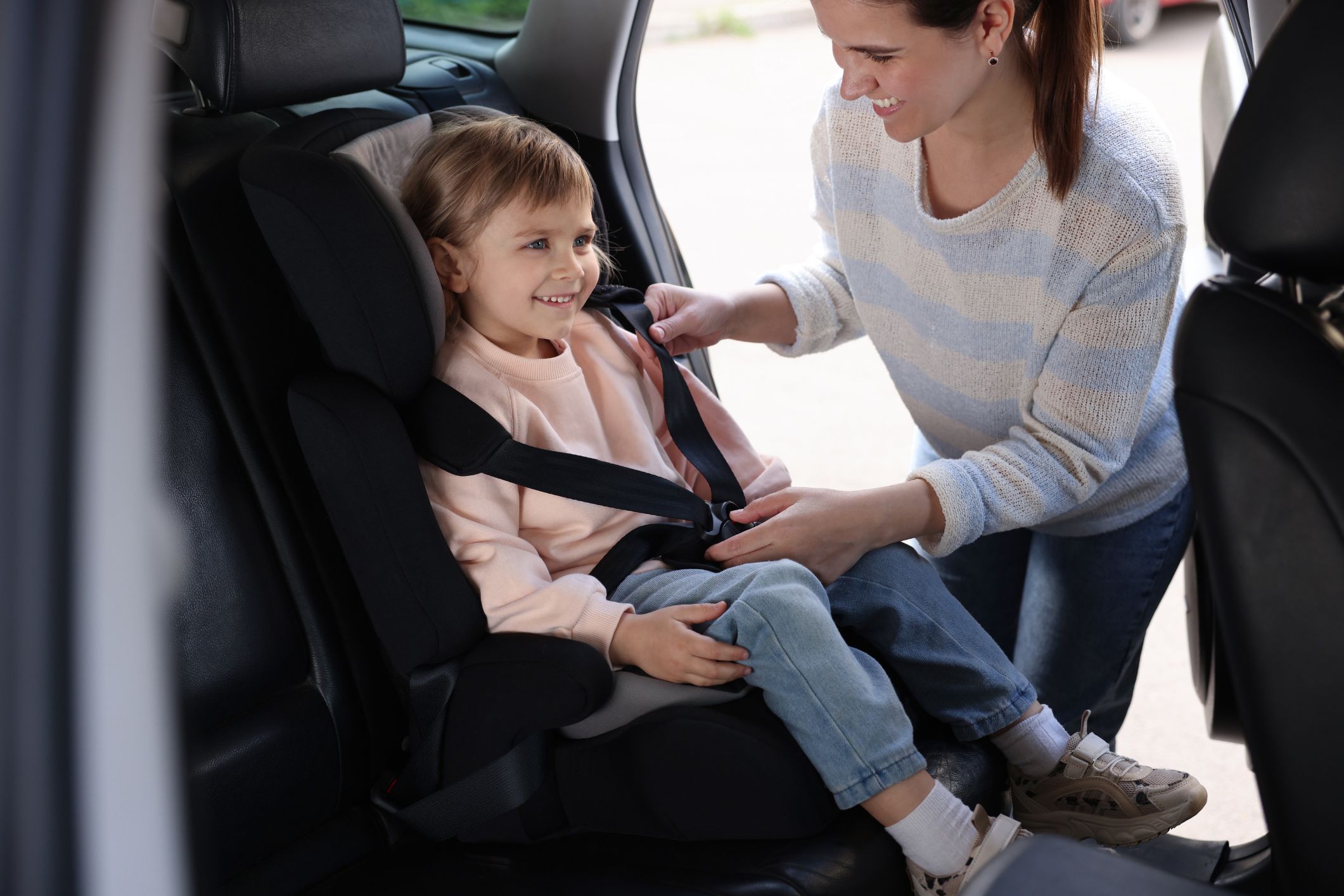
Learn what happens to a child’s body in a car crash and and why proper restraints are so important for keeping young passengers safe.
Read More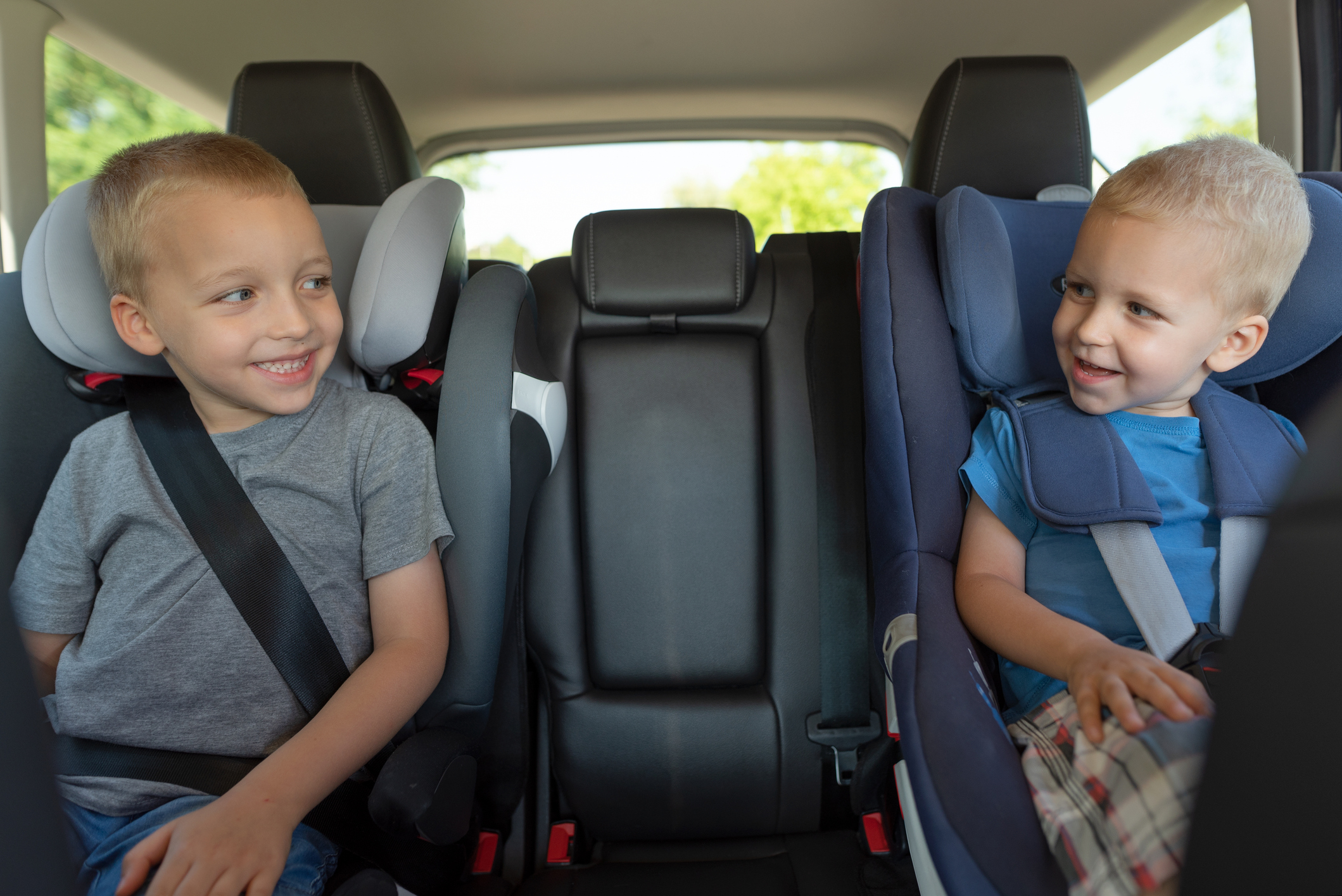
From school drop-offs to sports practice, learn how to keep kids safe with these car seat safety tips.
Read More
National Child Passenger Safety Month is the perfect time to double-check that your child’s car seat, harness, and booster are installed correctly.
Read MoreEvery case begins with a conversation. Tell Danielle what happened, and she'll give you honest answers about your situation and options.
Every case begins with a conversation. Tell us what happened, and we'll let you know how we can help. No pressure, no obligation—just honest answers about your situation.

