Child Car Accident Injuries: Why Proper Restraints Matter
Learn what happens to a child’s body in a car crash and and why proper restraints are so important for keeping young passengers safe.
Read More

I have audio recordings of insurance adjusters calling my clients directly. In one call, the adjuster said something like: "I know you're not that badly hurt. We're going to send you $1,500 for the inconvenience."
If the client had agreed, that would have closed the entire case. A case potentially worth far more than $1,500.
The adjuster was counting on two things: the client didn't know their rights, and the client didn't have representation yet.
This isn't unusual. It happens constantly. Insurance companies use a predictable set of tactics to minimize payouts. Not because every adjuster is out to get you, but because they're trained to protect the company's bottom line. That's their job.
Your job is to recognize these tactics so they can't work on you. Here are the five I see most often.
This is the most common tactic, and the most effective.
Within days (sometimes hours) of an accident, the at-fault driver's insurance company calls you. They're friendly. They express concern. Then they offer a check.
"We'd like to take care of this quickly. Here's $2,000 for your trouble."
The problem: you don't know the full extent of your injuries yet. Soft tissue damage, concussions, and spinal injuries often take days or weeks to fully present. Medical costs you haven't incurred yet won't be covered.
Once you accept that check and sign the release, your case is closed. You can't go back for more.
Why it works: You're in pain, stressed about bills, and someone is offering money right now. It feels like relief.
How to protect yourself: Never accept a settlement offer before you've completed medical treatment and understand the full scope of your injuries. Talk to an attorney first.
The insurance adjuster calls and asks for a "recorded statement." They frame it as routine, just paperwork.
It's not routine. It's an opportunity.
In a recorded statement, you're answering questions designed to create contradictions or admissions they can use later. "Can you describe your injuries?" If you say "my neck hurts a little," that becomes evidence that you weren't seriously hurt.
"Were you distracted at the time of the accident?" Now you're answering questions about your own liability, on the record, without legal guidance.
You are NOT required to give a recorded statement to the other driver's insurance company. Your own insurance company may require one under your policy terms, but even then, it's worth consulting an attorney first.
Why it works: People want to be cooperative. They don't realize they're creating evidence against themselves.
How to protect yourself: Politely decline recorded statements from the other driver's insurance. Talk to an attorney before giving any statement to anyone.
Insurance companies look for ways to assign fault to you, even when the accident clearly wasn't your fault.
"You were going a little fast, weren't you?"
"Did you see the other car coming? Why didn't you brake sooner?"
"Were you on your phone?"
In Florida, comparative negligence rules mean that if they can assign even partial fault to you, your compensation is reduced by that percentage. If they can assign 51% or more, your claim may be barred entirely under the new 2023 statute.
This is why evidence matters more than stories. Witness statements, traffic camera footage, black box data, and police reports are harder to argue with than an adjuster's creative questioning.
Why it works: People second-guess themselves after accidents. Guilt and confusion make it easy to accept partial blame.
How to protect yourself: Don't discuss fault with anyone except your attorney. Document everything. Let the evidence speak.
Some insurance companies slow everything down on purpose.
They request redundant paperwork. They "lose" documents. They take weeks to return calls. They schedule and reschedule appointments.
The goal is to wear you down. To make you so frustrated with the process that you accept a lower offer just to make it stop. Or to push the timeline close to the statute of limitations (4 years in Florida for personal injury, reduced from the previous window).
Delay also hurts your medical case. If there are long gaps between treatment appointments, the insurance company argues your injuries weren't that serious. "If you were really hurt, why did you wait three months to see the doctor?"
Why it works: Life moves on. Bills pile up. Patience runs out. They're betting on your exhaustion.
How to protect yourself: Keep all medical appointments. Keep records of every communication. Having an attorney handles the follow-up so you don't have to.
The opposite of delay. Some insurance companies bury you in requests for documentation.
They want every medical record from the last 10 years. They want employment records. Tax returns. They want authorizations that give them access to your entire medical history.
Most of this is irrelevant. They're looking for pre-existing conditions they can use to argue your injuries aren't from the accident. "You had back pain in 2019? This must be a pre-existing condition, not an accident injury."
Broad medical authorizations are especially dangerous. They give the insurance company access to records you never intended to share, including mental health records, reproductive health records, and other private information.
Why it works: It feels official. People think they have to comply. They sign authorizations without reading them.
How to protect yourself: Never sign broad medical authorizations. Only release records directly related to the accident injuries. An attorney can handle document requests and push back on overreach.
These tactics work because most people face them alone, in crisis, without representation. The single most protective thing you can do is talk to an attorney before you talk to the insurance company.
If you've been in an accident, call before you respond to anything. If you haven't, save this post for the day you might need it.


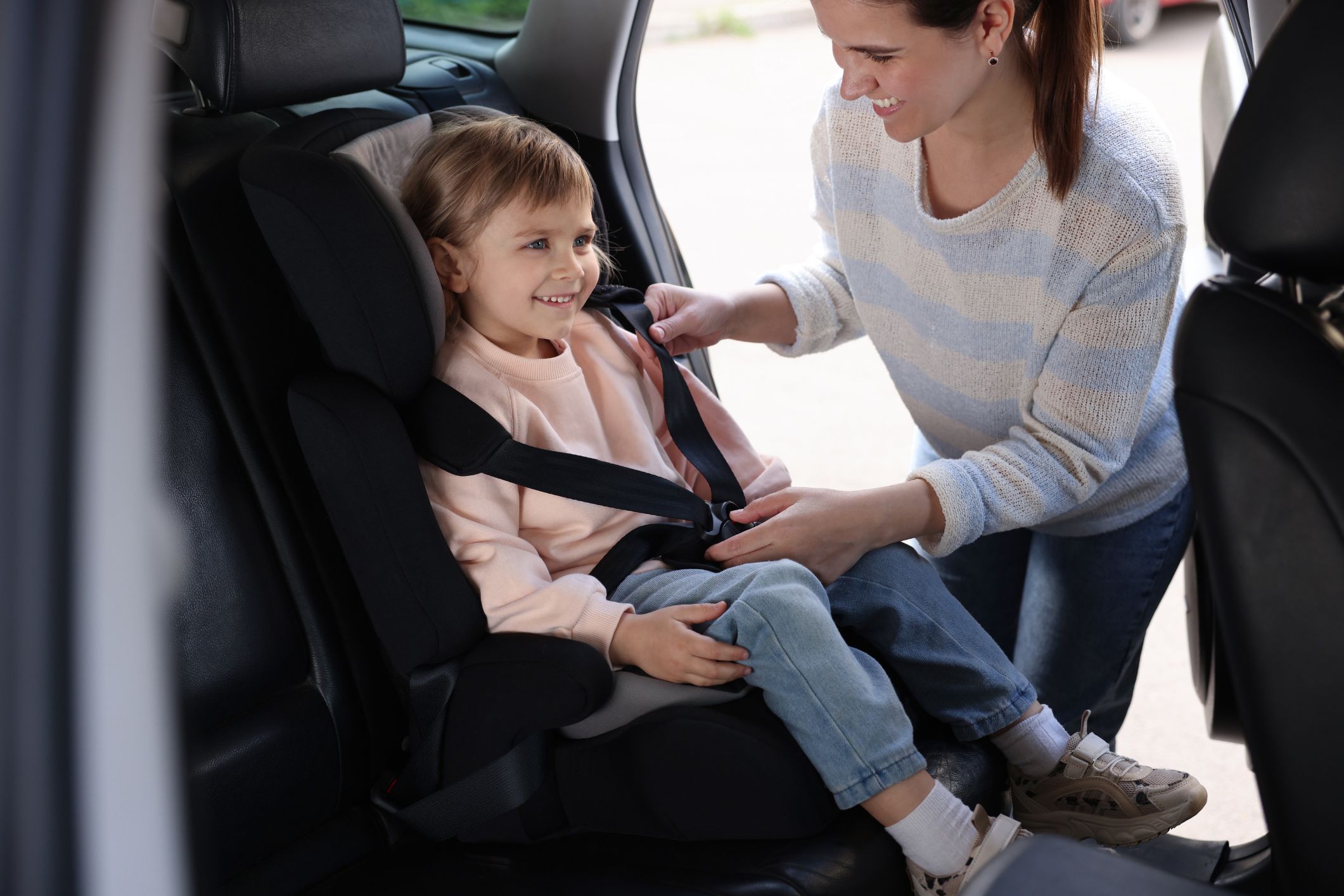
Learn what happens to a child’s body in a car crash and and why proper restraints are so important for keeping young passengers safe.
Read More
From school drop-offs to sports practice, learn how to keep kids safe with these car seat safety tips.
Read More
National Child Passenger Safety Month is the perfect time to double-check that your child’s car seat, harness, and booster are installed correctly.
Read MoreEvery case begins with a conversation. Tell Danielle what happened, and she'll give you honest answers about your situation and options.
Every case begins with a conversation. Tell us what happened, and we'll let you know how we can help. No pressure, no obligation—just honest answers about your situation.

