Child Car Accident Injuries: Why Proper Restraints Matter
Learn what happens to a child’s body in a car crash and and why proper restraints are so important for keeping young passengers safe.
Read More

You're at the rental car counter. The agent asks if you want to add insurance. You've got about 30 seconds to decide, the family is waiting in the car, and you have no idea if your own policy covers rental vehicles.
Sound familiar?
Most people guess. They either decline everything (hoping their policy covers it) or accept everything (paying $30-50/day for coverage they might already have). Neither approach is smart.
The answer depends on your specific auto policy. And the time to figure that out is now, before your spring break trip, not at the counter.
Here's what you need to know.
Most Florida auto policies extend their existing coverage to rental vehicles. That means:
Liability coverage - If you cause an accident in a rental car, your liability policy typically applies the same way it would in your own vehicle.
Collision coverage - If you have collision on your personal vehicle, it usually extends to the rental. But only if you have it on your own car first.
Comprehensive coverage - Same rule. If you have comp on your car, it typically extends. If not, it doesn't.
Medical payments / PIP - These typically follow you regardless of what vehicle you're driving.
The key word in all of this: typically. Policies vary. Some have rental car exclusions. Some have geographic limitations. Some reduce coverage levels for rentals.
The only way to know what YOUR policy covers is to read it or have someone read it for you.
Here's where people get caught:
Loss of use - If the rental car is damaged, the rental company loses revenue while it's being repaired. Your auto policy usually doesn't cover that. The rental company will charge you for every day the car sits in the shop.
Diminished value - The rental company can charge you for the decrease in the car's value after it's been in an accident. Your policy probably doesn't cover this either.
Administrative fees - Towing, impound, processing fees. The rental company adds these up fast.
Personal belongings - Items stolen from the rental car aren't covered by your auto policy. That's a renters or homeowners insurance claim.
Liability gaps - Your auto policy has limits. If you cause a serious accident in a rental car and the damages exceed your limits, you're personally responsible for the difference.
International travel - Most U.S. auto policies don't cover accidents outside the country. If you're renting in Mexico or the Caribbean, you likely need separate coverage.
A lot of people say "my credit card covers rental cars." That's partially true, but the details matter.
Most premium credit cards offer some form of rental car coverage. But it's usually:
Credit card coverage can be helpful. But it's not a complete solution, and it shouldn't replace knowing what your auto policy actually covers.
Teenage drivers - If your teen is driving the rental, check whether your policy and the rental agreement cover drivers under 25. Many rental companies charge additional fees or exclude young drivers entirely.
Rideshare and alternative rentals - Renting through Turo or Getaround? These platforms have their own insurance structures that don't work like traditional rental companies. Your auto policy may not extend to peer-to-peer rentals at all.
Out-of-state accidents - Your Florida policy travels with you, but the laws of the state where the accident happens may apply. Minimum coverage requirements vary. What's sufficient in Florida might not be in another state.
Multi-vehicle trips - If you're renting a second car for a large family trip, your policy may cover you, but rental company liability limits might not stack the way you'd expect.
Road trip through multiple states - Coverage doesn't change state to state, but accident laws do. At-fault vs. no-fault rules, comparative negligence rules, and filing deadlines all vary.
Check your coverage now. Not at the counter. Not after an accident.
Not sure what your policy covers? That's exactly what my Auto Coverage Concierge reviews are for. I'll read your policy, map your coverage, and tell you where the gaps are, before your trip, not after.


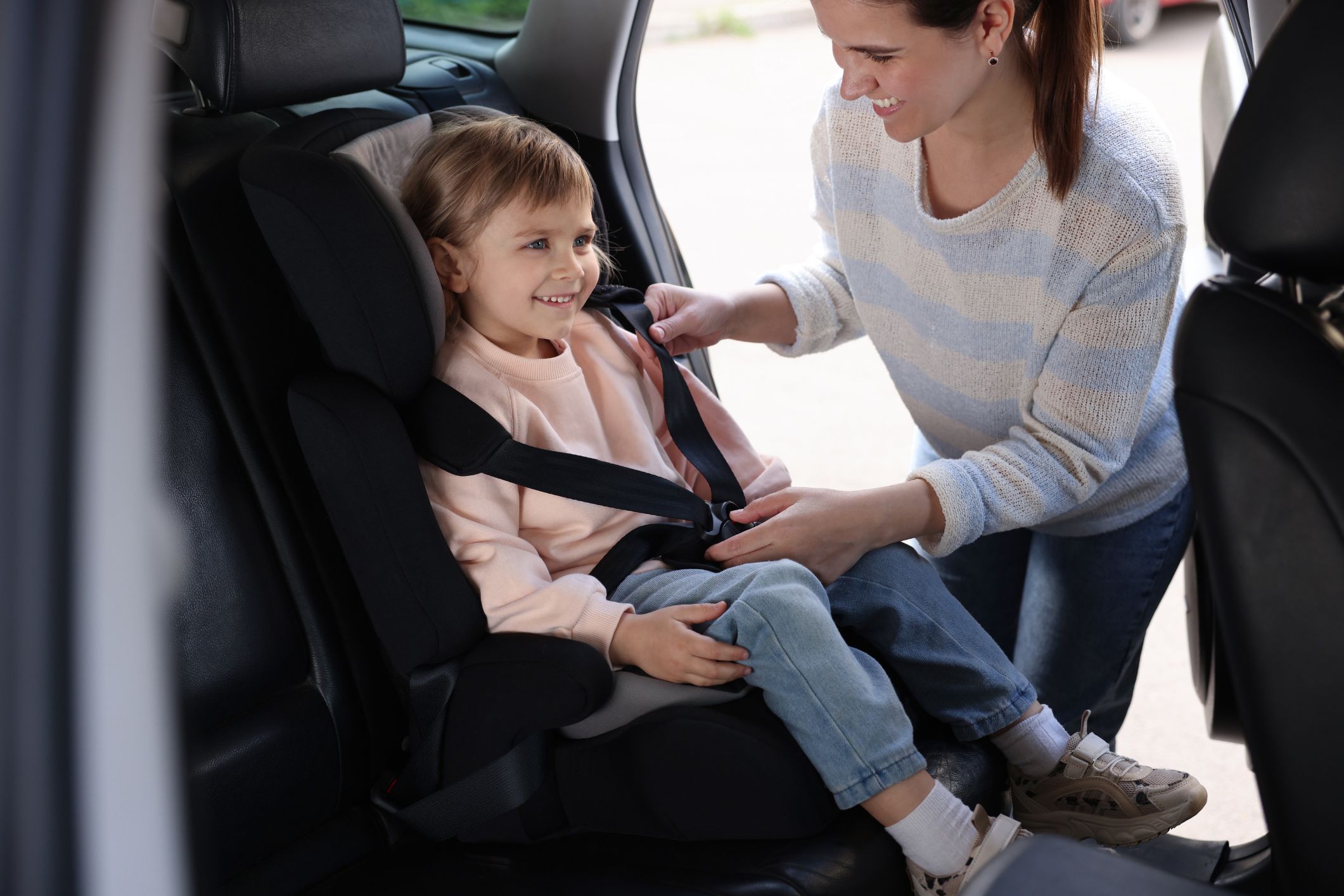
Learn what happens to a child’s body in a car crash and and why proper restraints are so important for keeping young passengers safe.
Read More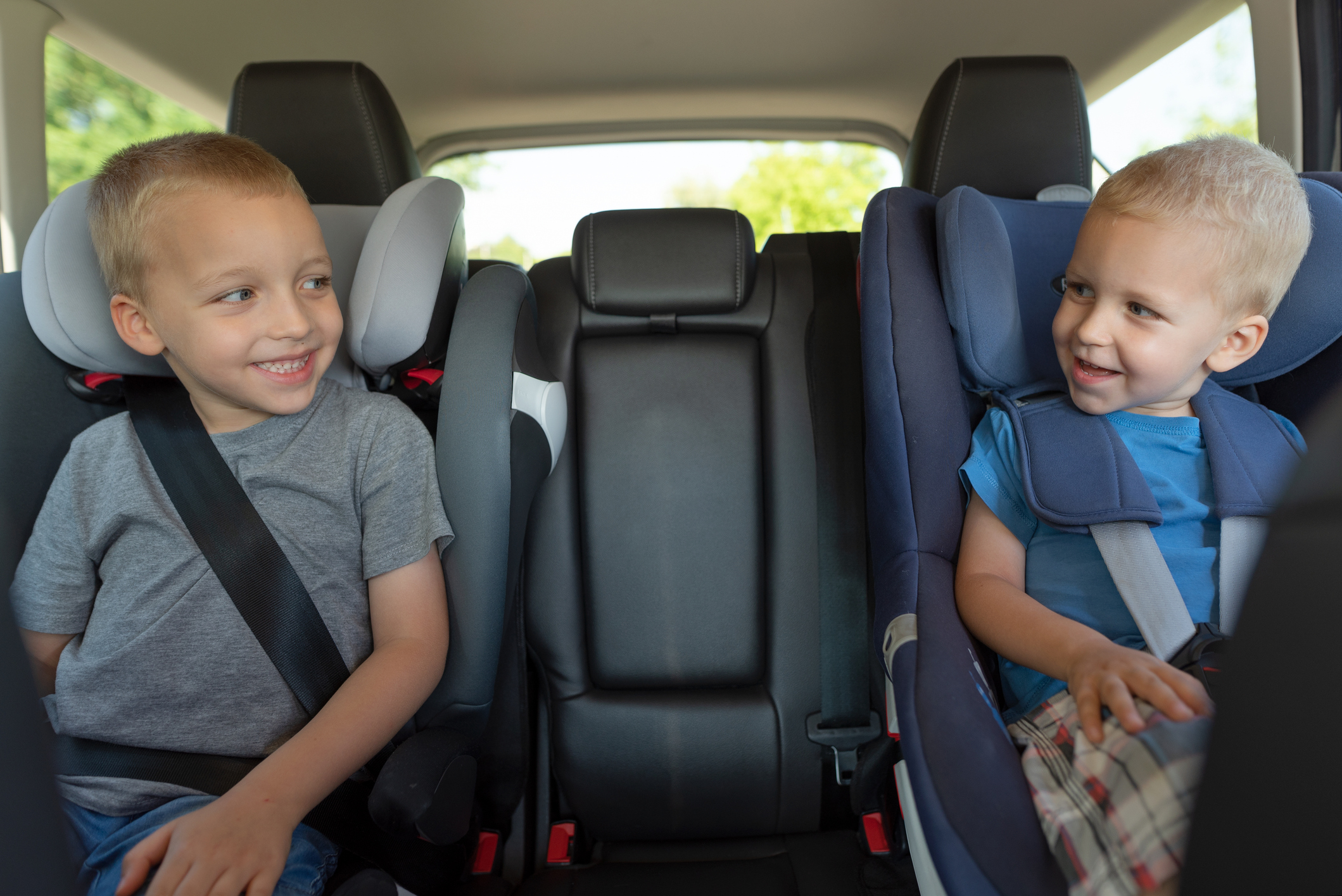
From school drop-offs to sports practice, learn how to keep kids safe with these car seat safety tips.
Read More
National Child Passenger Safety Month is the perfect time to double-check that your child’s car seat, harness, and booster are installed correctly.
Read MoreEvery case begins with a conversation. Tell Danielle what happened, and she'll give you honest answers about your situation and options.
Every case begins with a conversation. Tell us what happened, and we'll let you know how we can help. No pressure, no obligation—just honest answers about your situation.

