Child Car Accident Injuries: Why Proper Restraints Matter
Learn what happens to a child’s body in a car crash and and why proper restraints are so important for keeping young passengers safe.
Read More

Most families I talk to can tell me their monthly premium down to the dollar. Almost none of them can tell me their uninsured motorist limit. That's backwards, and it's not their fault. It's the one line on the policy nobody sits you down and explains.
So let me be the one who does. This is the coverage I check on my own family's policy every single year, and it's the first thing I look for when someone sends me their declarations page.
Your auto policy is really two different promises pointed in two different directions:
Bodily injury liability points away from you. It pays for the harm you cause to someone else if you're at fault. It's the coverage the state cares about, and it's the number most people think of as "having good insurance."
Uninsured and underinsured motorist coverage, usually written as UM or UM/UIM, points back at you. It pays when someone else hurts you or your family and can't cover it themselves. The driver with no insurance at all. The driver with a minimum policy that runs out long before your medical bills do. The driver who hits you and speeds off before anyone gets a plate.
You can carry a fortune of the first kind and none of the second, and feel completely protected, right up until the day it's your family in the ambulance and the person who caused it has nothing. That's the coverage that actually has your back. The rest of it mostly protects the other guy.
Florida has one of the highest shares of uninsured and underinsured drivers in the country. Add in the drivers carrying the bare state minimum, and a huge portion of the cars around you at any given light are one crash away from being unable to cover what they'd owe you.
That's the whole case for UM. It comes down to the very ordinary odds, on any given Tuesday, that the person who hits you simply can't pay. When that happens, your own UM coverage is the thing that stands between your family and the bills.
Florida gives you a choice most people don't realize they made: stacked or unstacked UM.
Unstacked coverage gives you your UM limit, flat. Stacked coverage lets you multiply that limit across the vehicles on your policy, so a family with two or three cars can end up with meaningfully more protection for a relatively small difference in premium. For a lot of households, stacked UM is one of the best values on the entire policy, and it's routinely the box that never got checked.
I'm not going to tell you which one is right for your family in a blog post, because it depends on your cars, your drivers, and your budget. I'm telling you it's a real choice, it's usually cheaper to upgrade than people expect, and most families have never once been asked the question.
Here's the part that surprises people most. UM is often what makes a hit-and-run survivable financially.
I've built a recovery for a client whose driver fled the scene and was never identified. No name, no plate, no insurance to chase. What we had was that client's own uninsured motorist coverage, plus the scene evidence and the timing from the 911 call, put together into a package the carrier ultimately paid. Without UM on that policy, there would have been nothing to recover from at all.
Most people assume that when the other driver disappears, the case disappears too. If you carry UM, it doesn't.
You don't need to become an insurance expert. You need to do one thing this week.
Pull up your declarations page, the one-page summary your insurer sends at renewal, usually sitting in your email or your insurer's app. Find the line labeled uninsured motorist or UM/UIM. Look at whether there's a number there at all, what that number is next to your bodily injury number, and whether it says stacked or unstacked.
If the UM line is blank, or a lot lower than your liability number, or you can't find it at all, that's your gap. It's the most common one I see, and it's one of the least expensive to fix.
If you get stuck, that's genuinely the part I'm happy to help with. Send me a picture of your declarations page and I'll tell you where your gaps are, or grab a free Auto Policy Review. Fifteen minutes and your dec page, no crash required. Either way, the first conversation is always free. You can reach me at (561) 940-0100.


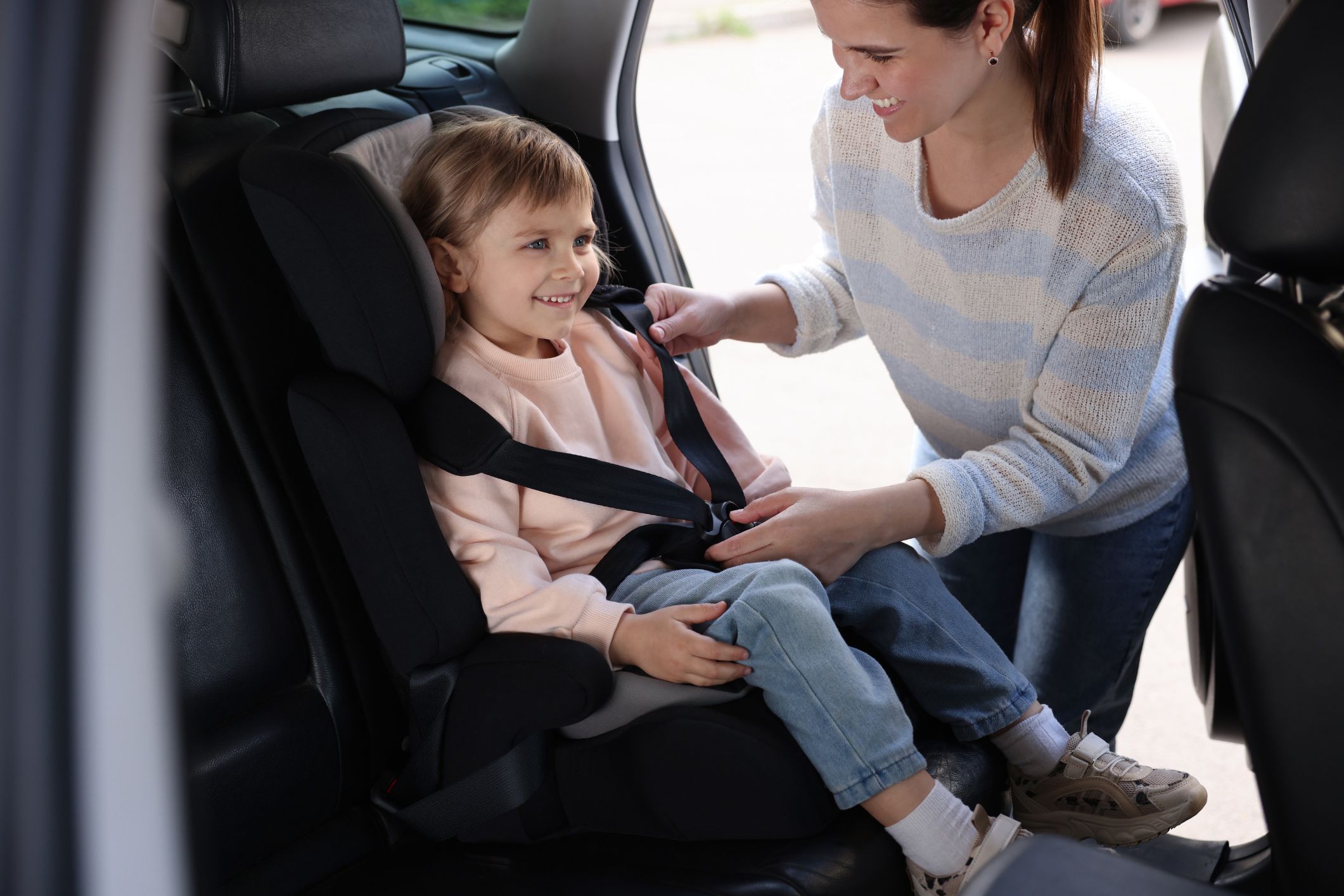
Learn what happens to a child’s body in a car crash and and why proper restraints are so important for keeping young passengers safe.
Read More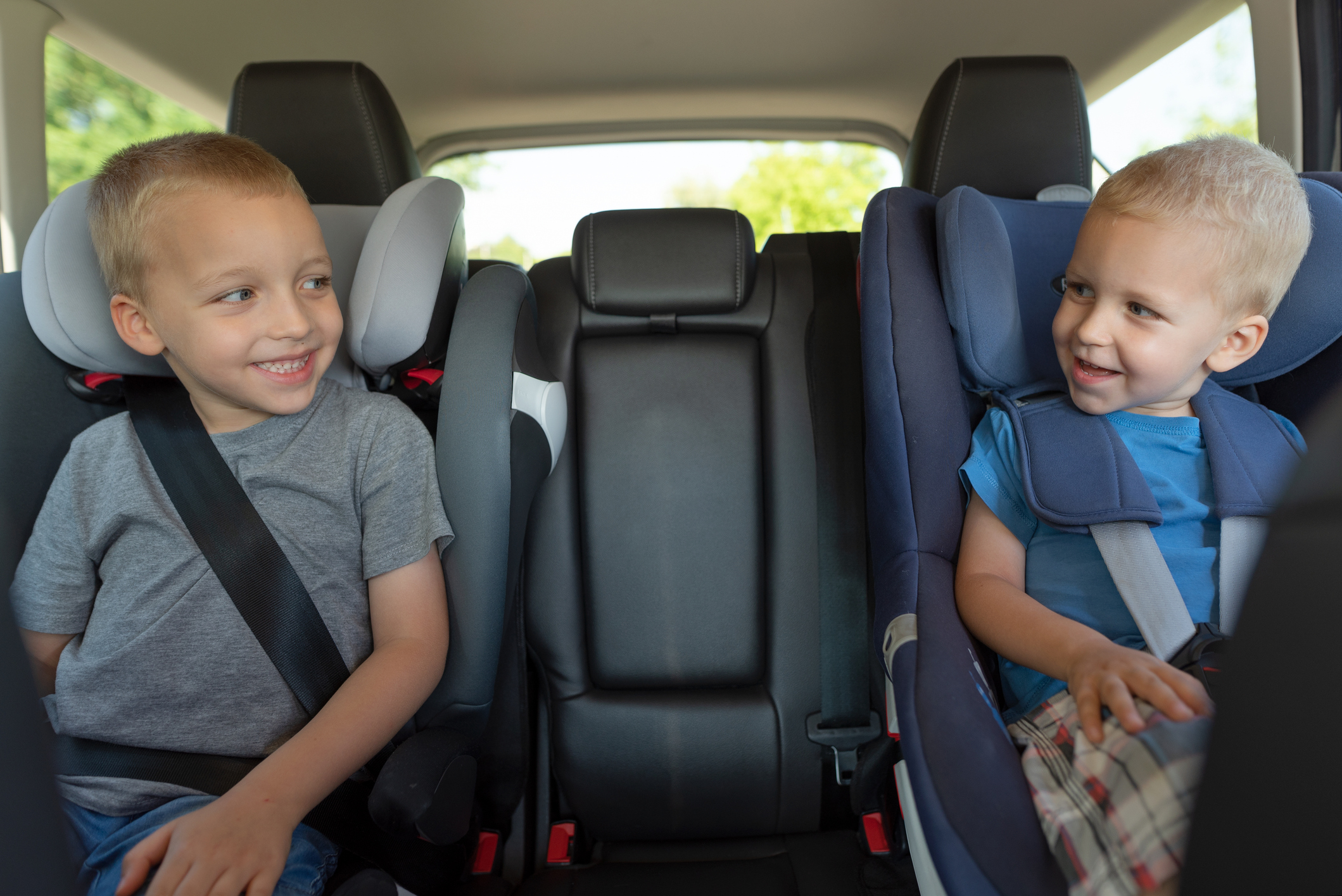
From school drop-offs to sports practice, learn how to keep kids safe with these car seat safety tips.
Read More
National Child Passenger Safety Month is the perfect time to double-check that your child’s car seat, harness, and booster are installed correctly.
Read MoreEvery case begins with a conversation. Tell Danielle what happened, and she'll give you honest answers about your situation and options.
Every case begins with a conversation. Tell us what happened, and we'll let you know how we can help. No pressure, no obligation—just honest answers about your situation.

