Car Seat Safety When Carpooling: A Parent's Guide
From school drop-offs to sports practice, learn how to keep kids safe with these car seat safety tips.
Read More
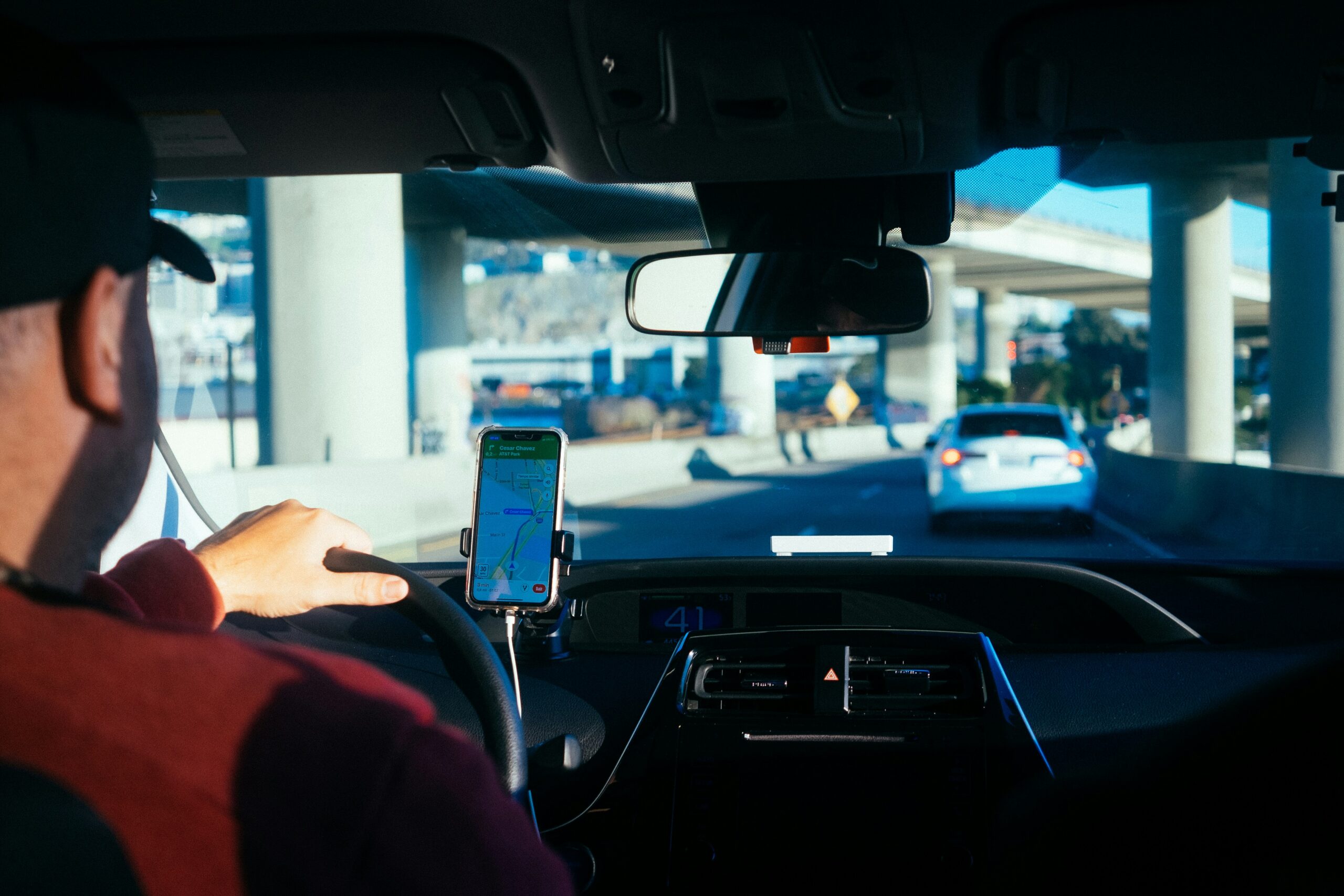
Most Uber and Lyft passengers in Florida have never thought about which insurance policy is going to pay if the car they are riding in gets into a crash. The app says the trip is insured. That is enough for most people.
Most Uber and Lyft drivers have thought about it a little more. They picked up the app because it was flexible and because the company said the rides were covered. That is usually enough for most drivers, too.
The gap is in the part neither group is thinking about, which is that rideshare coverage in Florida is not one policy that turns on the moment the app opens. It is three different coverage periods, and the policy that actually applies depends on which period the driver is in when the crash happens.
This post walks through the three periods, what they mean for passengers, what they mean for drivers, and the questions to ask before the next time you tap "request a ride" or take a shift.
Florida governs transportation network company insurance under Florida Statute §627.748. The structure that statute sets up, and that Uber and Lyft both follow, breaks rideshare driving into three periods. Each period has different coverage in place.
Period 0: App OFF. The driver is not logged into the rideshare app. From a coverage standpoint, this is just a regular driver driving a regular car. The driver's personal auto policy is the only policy in play. The complication that comes up here is that most personal auto policies exclude commercial use. If the driver is driving home from a shift with the app off but is technically still working, there are scenarios where the personal policy carrier may try to deny coverage on the grounds that the driving was for hire. Those scenarios are case-by-case and they matter more than most drivers realize.
Period 1: App ON, no ride accepted. The driver has the app open and is waiting for a ride request. Uber and Lyft both maintain a contingent liability policy that applies in this period. The typical limits in Florida are significantly lower than the active-ride policy. The contingent policy applies if the driver's personal auto excludes the loss, which means the rideshare driver's personal policy goes first, and the contingent policy from Uber or Lyft sits behind it.
Period 2: Ride accepted or passenger in the car. The driver has accepted a ride request and is either on the way to pick up the passenger or has the passenger in the car. This is the period most people picture when they hear "rideshare insurance." Uber and Lyft both maintain a $1M third-party liability policy that applies in this period. UM/UIM coverage exists at this stage in Florida under the statute. This is the policy the app is referring to when it tells passengers the trip is covered.
The same car. The same driver. Three completely different coverage stacks.
If you are a passenger in an Uber or Lyft and the car you are in gets into a crash, the driver is in Period 2. The $1M policy is in play. That is the cleanest scenario.
The complication for passengers is when another driver hits the Uber or Lyft you are in, and that other driver is uninsured or underinsured. The rideshare company's UM/UIM coverage is what protects you in that scenario. Most passengers do not know that the rideshare company's UM coverage is what is going to catch the gap. The number of clients I have signed who told me they thought their own auto policy was going to cover them as a passenger is significant. It might. It also might not. The rideshare company's UM is usually the cleaner answer.
The audit question for passengers: ride with a screenshot of your trip request handy. The trip identifier is what proves the period the driver was in at the moment of the crash. If the case is litigated later, the trip identifier matters.
If you drive for Uber or Lyft, the period framework is the framework your case lives in.
The most common mistake I see from rideshare drivers is assuming the personal auto policy is going to catch everything that the rideshare company's coverage does not. It is not. Most personal auto policies in Florida have a commercial-use exclusion that gets read aggressively by the carrier when there is a rideshare app involved. Drivers who have not added a rideshare endorsement to their personal policy, or who have not bought a separate commercial auto policy, are often surprised to find out that the carrier they thought was their backstop is not their backstop at all.
The audit question for drivers: pull your declaration page. Look for a rideshare endorsement. If you do not see one and you drive for any rideshare or delivery app, call your carrier this week and ask whether your policy excludes commercial use. The answer is going to be yes more often than not. The fix is a rideshare endorsement, a commercial policy, or a hard decision about whether the driving is worth the gap.
The third group most people forget about is the driver in the other car. If you get hit by an Uber or Lyft driver, the period the rideshare driver was in at the moment of the crash determines what coverage is available to you.
If the rideshare driver was in Period 0, you are looking at the driver's personal auto policy and the question of whether their carrier is going to honor it.
If the rideshare driver was in Period 1, you are looking at the personal auto first and the contingent rideshare policy behind it.
If the rideshare driver was in Period 2, you are looking at the $1M policy.
In every case, the first thing your attorney needs to do is establish the period. The trip data, the app status, and the driver's logs from the rideshare company are what define the case. Securing that data fast is the difference between a clean recovery and a contested coverage fight.
This is one of the parts of personal injury practice that does not show up in the marketing copy. The lawyer who knows to send the spoliation letter to the rideshare company on day one is the lawyer who has the period evidence preserved before it gets routinely cycled out of the company's systems.
Before the next time you take an Uber, drive an Uber shift, or even just drive somewhere where Ubers and Lyfts are on the road around you, this is the audit that takes about fifteen minutes.
If you have been in an Uber or Lyft crash and you are not sure which policy is going to cover you, contact our car accident attorneys for a free consultation. The audit before the crash is cheaper than any of it.
If you want me to read your auto policy with you before you take your next shift or your next ride, the Auto Policy Review is built for exactly this. Fifteen minutes, your dec page, my read on the gaps.


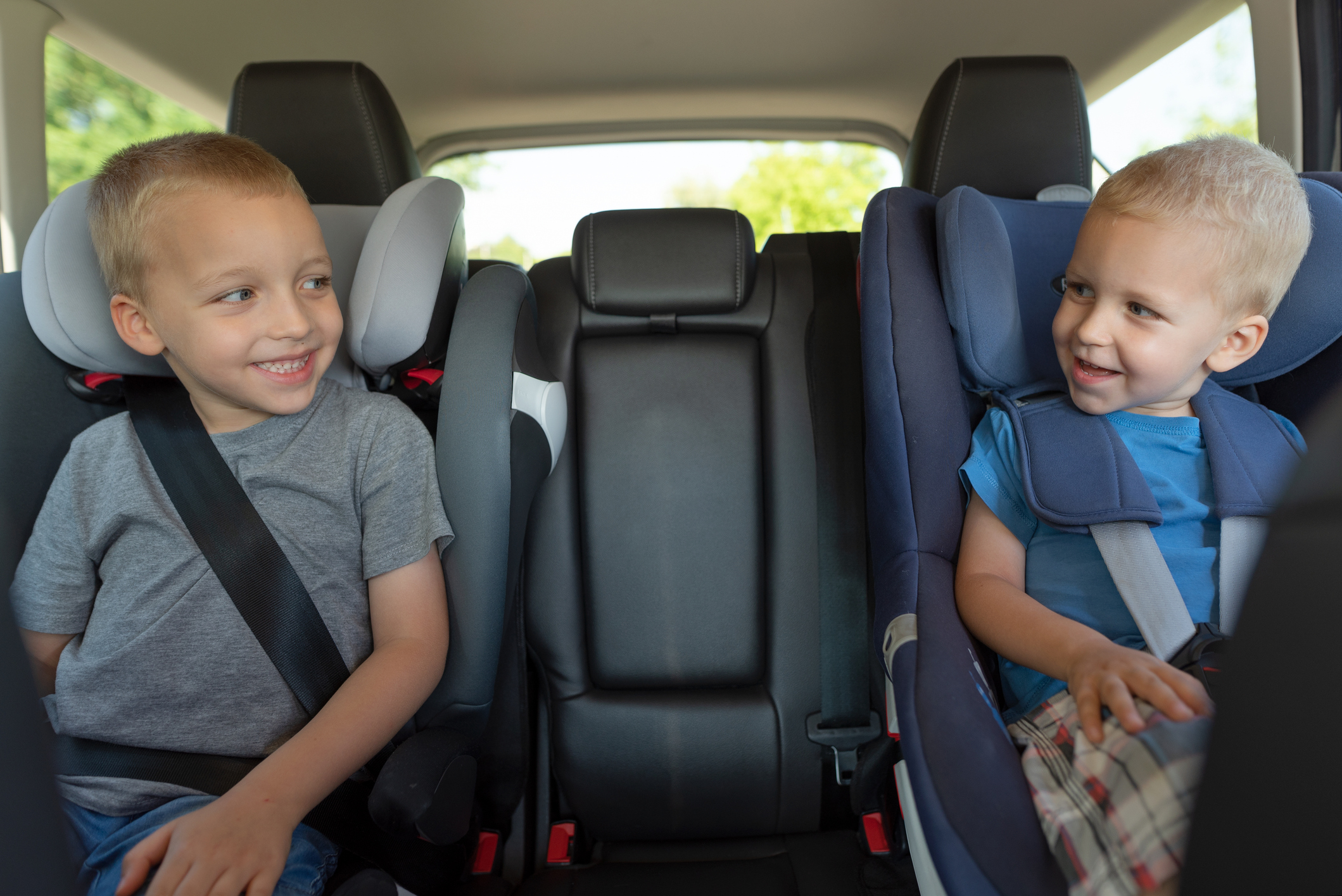
From school drop-offs to sports practice, learn how to keep kids safe with these car seat safety tips.
Read More
National Child Passenger Safety Month is the perfect time to double-check that your child’s car seat, harness, and booster are installed correctly.
Read More
Fireworks can turn a celebration into a serious accident in seconds. If you’ve been injured, understanding your rights and legal options is an important first step.
Read MoreEvery case begins with a conversation. Tell Danielle what happened, and she'll give you honest answers about your situation and options.
Every case begins with a conversation. Tell us what happened, and we'll let you know how we can help. No pressure, no obligation—just honest answers about your situation.

